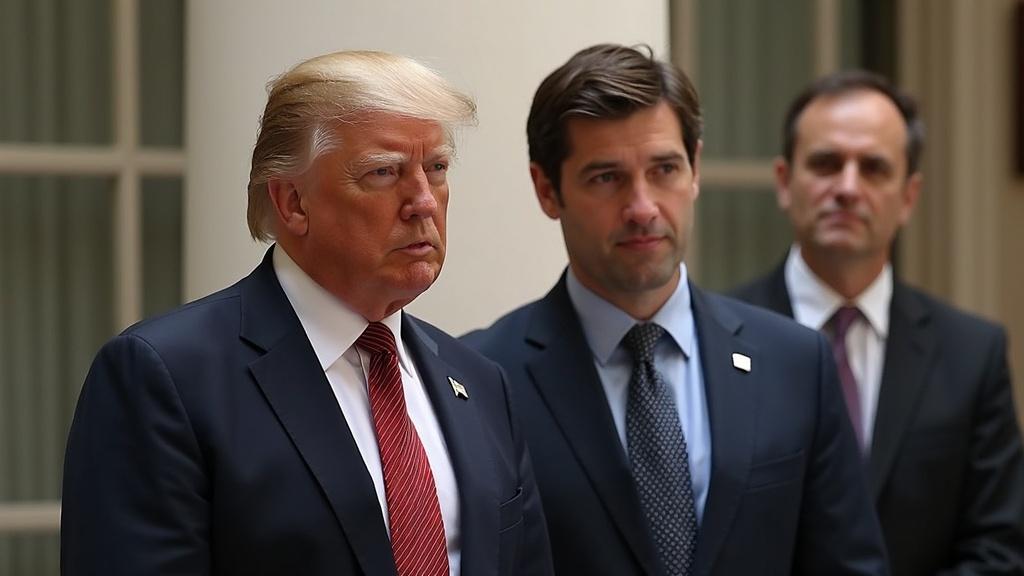
Trump’s Son-in-Law Linked to Luxury Project in Serbia
The intersection of politics and business has once again come under scrutiny, this time involving Jared Kushner, the son-in-law of former US President Donald Trump. According to recent reports from the Swiss newspaper Tagesanzeiger, Kushner has been linked to a luxury real estate project in Serbia, sparking concerns about potential conflicts of interest and the blurring of lines between political influence and business ventures.
Background of the Project
The luxury project in question is a high-end residential and commercial complex, aimed at attracting wealthy investors and offering a unique living experience. While the project itself is not unusual in the context of global real estate development, its connection to Jared Kushner raises eyebrows due to his close relationship with the former President and his role in the Trump administration.
Kushner’s Involvement
Kushner’s involvement in the project is reportedly through his investment firm, which has been seeking opportunities in emerging markets. Serbia, with its strategic location and growing economy, presents an attractive destination for foreign investment. However, the involvement of a figure so closely tied to the US political establishment in a project in a foreign country inevitably raises questions about the use of political influence for business gain.
Implications and Concerns
The linking of Jared Kushner to this luxury project in Serbia has several implications and raises multiple concerns. Firstly, it highlights the challenge of separating personal business interests from public service, especially when the individual in question has been part of the inner circle of a presidential administration. This can lead to perceptions of favoritism or undue influence, potentially undermining public trust in government.
Moreover, such ventures can also impact diplomatic relations between countries. If it is perceived that political connections are being leveraged for personal gain, it could strain relationships between the US and Serbia, or undermine the integrity of US foreign policy.
Regulatory Oversight and Transparency
To address these concerns, regulatory oversight and transparency are key. In the US, laws and regulations exist to prevent conflicts of interest and require disclosure of financial dealings by public officials and their immediate family members. However, the effectiveness of these measures can depend on enforcement and the willingness of individuals to comply fully with disclosure requirements.
As [global geopolitics enter an era of strategic fragmentation](https://swissreporting.com/global-geopolitics-enter-an-era-of-strategic-fragmentation/), the interplay between political power and economic interests becomes increasingly complex. This complexity demands higher standards of transparency and accountability from those in positions of influence.
Conclusion and Future Outlook
The situation involving Jared Kushner and the luxury project in Serbia serves as a reminder of the delicate balance between politics and business. As the world becomes more interconnected, the potential for conflicts of interest and the misuse of political influence for personal gain will only increase. It is essential for governments, regulatory bodies, and the public to remain vigilant and demand transparency and accountability from those in power.
In the context of international relations and business, understanding the dynamics of [public debt pressures on central banks’ interest rate choices](https://swissreporting.com/public-debt-pressures-central-banks-interest-rate-choices/) can also provide insights into how economic policies are shaped and how they might impact investments in emerging markets like Serbia.
Ultimately, the integrity of both political systems and business practices depends on clear boundaries and the consistent application of ethical standards. As [courts signal tougher stance on online abuse](https://swissreporting.com/courts-signal-tougher-stance-on-online-abuse-2/), indicating a broader societal shift towards accountability, similar expectations should be applied to the intersection of politics and business to foster trust and fairness in all dealings.