Why Society Feels Increasingly Polarized
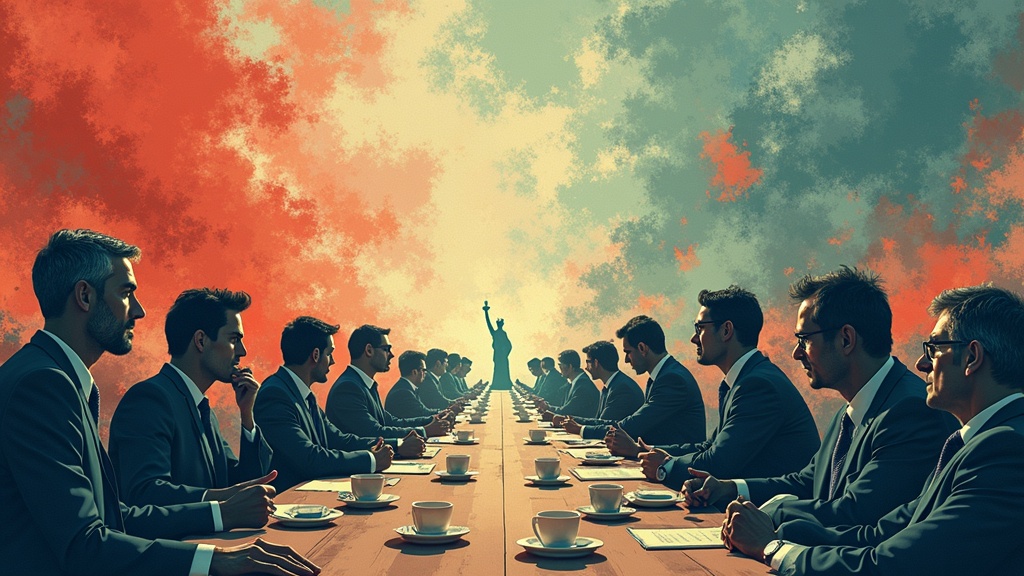
The world today seems more divided than ever, with societal polarization on the rise. This phenomenon is not limited to any one country or region but is a global issue, affecting the fabric of communities everywhere. At the heart of this divide are deep-seated social divisions that have been exacerbated by various factors, including political rhetoric, social media, and economic inequality.
Understanding Social Division
Social division refers to the process by which society splits into distinct groups, often based on differences in socioeconomic status, race, ethnicity, religion, or political beliefs. These divisions can lead to social polarization, where individuals or groups become isolated from those with opposing views, reinforcing their own beliefs and prejudices. This isolation can occur both physically, through the creation of segregated communities, and virtually, through the echo chambers created by social media platforms.
The Role of Social Media
Social media has played a significant role in the polarization of society. Platforms like Facebook, Twitter, and Instagram use algorithms that prioritize content likely to engage users, often presenting them with information that confirms their existing beliefs. This creates echo chambers where individuals are rarely exposed to opposing viewpoints, reinforcing their own biases and contributing to the polarization of society. For instance, a study by the Pew Research Center found that social media platforms can facilitate the spread of misinformation, which can further divide society.
Economic Inequality and Polarization
Economic inequality is another significant factor contributing to societal polarization. As the wealth gap widens, communities become more segregated, with the affluent often living in areas with better access to resources, education, and healthcare. This physical and socioeconomic segregation can lead to a lack of understanding and empathy between different economic groups, fostering an “us versus them” mentality. The article Wealth Concentration Continues to Reshape Global Power highlights how wealth concentration can impact societal structures and contribute to polarization.
Political Rhetoric and Division
Political rhetoric has also been instrumental in exacerbating social divisions. Politicians often use divisive language to mobilize their base, creating an environment where compromise and dialogue are seen as weaknesses. This rhetoric can be particularly dangerous when it targets specific groups, such as immigrants, minorities, or the LGBTQ+ community, leading to increased discrimination and social unrest. The intensification of political polarization across democratic societies is a testament to how political discourse can influence societal cohesion.
Bridging the Divide
Bridging the social divide requires a multifaceted approach that addresses the root causes of polarization. This includes promoting media literacy to combat misinformation, implementing policies that reduce economic inequality, and fostering an environment where political discourse is respectful and inclusive. Additionally, encouraging interpersonal connections across different social groups can help break down stereotypes and build empathy. As discussed in Journalism’s Credibility Crisis Tests the Future of News, the role of journalism in providing balanced and factual information is crucial in this effort.
Conclusion
The increasing polarization of society is a complex issue, driven by a combination of social, economic, and political factors. Addressing these divisions requires a concerted effort from individuals, communities, and governments. By understanding the roots of polarization and working towards a more inclusive and empathetic society, we can begin to heal the social divisions that threaten the fabric of our communities. As we move forward, it’s essential to recognize the importance of trust in institutions and the role that credible information plays in fostering a united and resilient society.