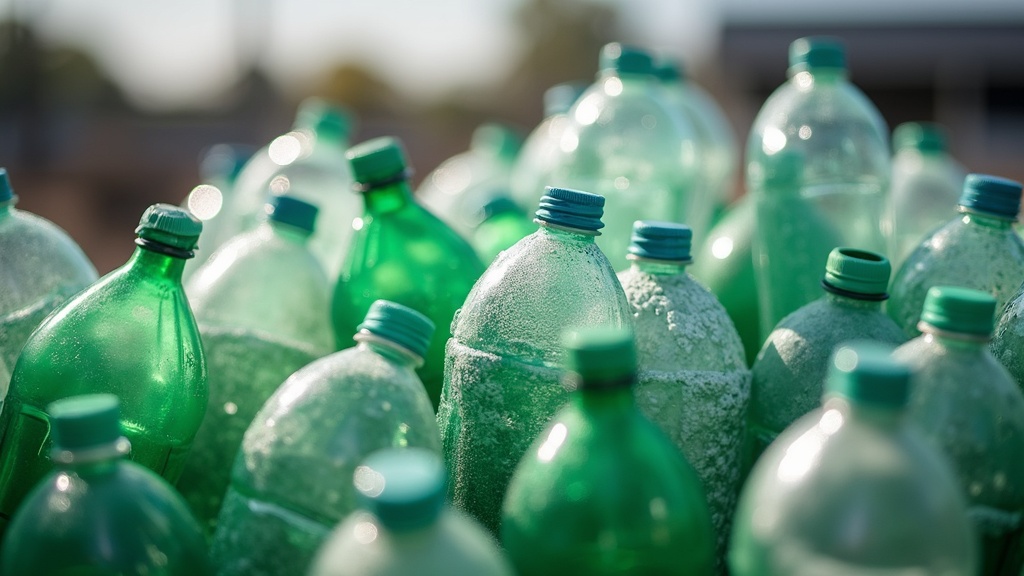
Should You Crush Plastic Bottles Before Recycling in Belgium?
As the world grapples with plastic waste, recycling has become a crucial practice in reducing environmental impact. In Belgium, like many other countries, recycling is encouraged, but there’s often confusion about the best practices, especially when it comes to plastic bottles. One common question is whether you should crush plastic bottles before recycling them. To answer this, let’s delve into the practical recycling rules in Belgium and what they mean for your plastic waste.
Understanding Recycling in Belgium
Belgium has a well-organized recycling system, with different bins for different types of waste. This includes a bin specifically for plastics, which often includes plastic bottles, containers, and other plastic packaging materials. The system is designed to make recycling as easy and efficient as possible, but it requires citizens to follow certain guidelines to ensure that materials are properly sorted and can be effectively recycled.
The Role of Crushing Plastic Bottles
Crushing plastic bottles might seem like a good idea to save space in recycling bins and potentially make the recycling process more efficient. However, it’s essential to consider the impact of crushing on the recyclability of the plastic. In many cases, crushing plastic bottles can actually make them more difficult to recycle. This is because the crushing process can contaminate the plastic with other materials, such as paper labels or caps, which can then be mixed with the plastic during the recycling process, reducing its quality.
Practical Advice for Recycling Plastic Bottles in Belgium
So, what’s the best approach for recycling plastic bottles in Belgium? Here are some practical tips:
Conclusion
Recycling is a critical component of reducing waste and conserving natural resources. By following the right practices, such as rinsing bottles, removing lids and labels, and not crushing them unless instructed to do so, individuals in Belgium can contribute to an efficient and effective recycling system. For more information on recycling best practices, you can visit the Recycling.com website or check out the impact of consumer habits on waste management. Additionally, staying updated on local recycling initiatives, such as those discussed in energy-saving tips, can also play a significant role in promoting sustainable living. By working together, we can make a significant difference in reducing plastic waste and promoting a healthier environment.