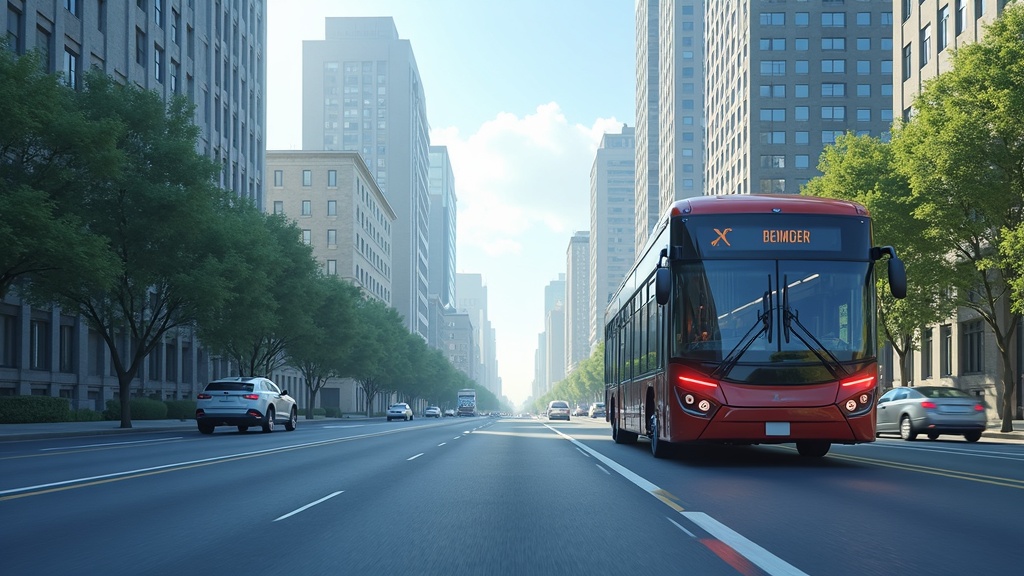
The Future of Mobility Explained: From EVs to Robotaxis
The world of transportation is on the cusp of a revolution, driven by technological advancements, environmental concerns, and shifting consumer behaviors. At the heart of this transformation is the rise of electric vehicles (EVs) and the emergence of robotaxis, signaling a significant shift in how we move around our cities and beyond. This transport shift is not only about adopting new technologies but also about reimagining the very fabric of mobility to make it more sustainable, efficient, and accessible.
Electric Vehicles: The First Wave of Change
Electric vehicles have been gaining traction over the past decade, with many countries investing heavily in EV infrastructure and incentivizing their adoption. The reasons are twofold: to reduce greenhouse gas emissions and to mitigate the impact of transportation on air quality in urban areas. EVs offer a cleaner alternative to traditional internal combustion engine vehicles, with the potential to significantly decrease carbon emissions if powered by renewable energy sources. As technology improves, the range and performance of EVs are becoming increasingly comparable to their gasoline-powered counterparts, making them a viable option for a wider audience. For instance, the shift towards EVs is part of a broader discussion on [global power shifts](https://swissreporting.com/global-power-shifts-explained-why-the-world-is-entering-a-new-era/), where countries are looking to lead in sustainable technologies.
The Rise of Robotaxis: Autonomous Mobility
Following closely on the heels of EVs is the development of autonomous vehicles, or robotaxis, which promise to revolutionize not just the automotive industry but the concept of mobility itself. These vehicles, equipped with advanced sensors and artificial intelligence, can navigate through cities without human intervention, offering a potential solution to issues such as traffic congestion, parking, and road safety. The implications are profound, from enhancing the mobility of the elderly and disabled to reducing the need for personal vehicle ownership, thereby transforming urban landscapes. Companies like Waymo and Tesla are at the forefront of this technology, with pilot projects already underway in several cities around the world. The integration of autonomous vehicles into public transport systems could also redefine [urban planning](https://swissreporting.com/climate-migration-forces-a-rethink-of-global-borders/), making cities more livable and sustainable.
Challenges and Opportunities
While the future of mobility holds much promise, there are also significant challenges to overcome. The widespread adoption of EVs and robotaxis will require substantial investments in infrastructure, including charging stations and dedicated lanes for autonomous vehicles. Additionally, there are regulatory hurdles to clear, particularly concerning the safety and liability of autonomous vehicles. Despite these challenges, the opportunities are vast. A shift towards more sustainable and autonomous forms of transportation could lead to cleaner cities, reduced traffic accidents, and more efficient use of resources. It could also spur innovation in related industries, such as energy and technology, driving economic growth and job creation.
Towards a Sustainable Future
The transport shift underway is not just about replacing one form of transportation with another; it’s about creating a more sustainable, equitable, and connected system of mobility. As we move forward, it will be crucial to address the societal and environmental impacts of these technologies, ensuring that their benefits are accessible to all. This includes considering issues such as data privacy in autonomous vehicles, the potential for job displacement, and the need for inclusive and accessible mobility solutions. By doing so, we can harness the potential of EVs and robotaxis to create a future of mobility that is not only innovative but also just and sustainable. For more insights into how technology is reshaping our world, including the impact of [artificial intelligence](https://swissreporting.com/artificial-intelligence-explained-how-ai-is-reshaping-everyday-work/), it’s essential to consider the broader societal and economic implications.
Conclusion
The future of mobility, driven by the advent of EVs and robotaxis, presents a transformative opportunity for societies worldwide. As we embark on this journey, it’s crucial to prioritize sustainability, equity, and innovation, ensuring that the benefits of these technologies are shared by all. By understanding the challenges and opportunities ahead, we can work towards creating a transport system that is not only fit for the future but also contributes to a better world for generations to come. As noted by experts in the field of [global inflation](https://swissreporting.com/global-inflation-explained-why-prices-still-feel-high/), the economic implications of such a shift will be significant, requiring careful planning and investment in infrastructure and human capital.