Davos Watch: Trump Returns to the World Economic Forum Under Global Scrutiny
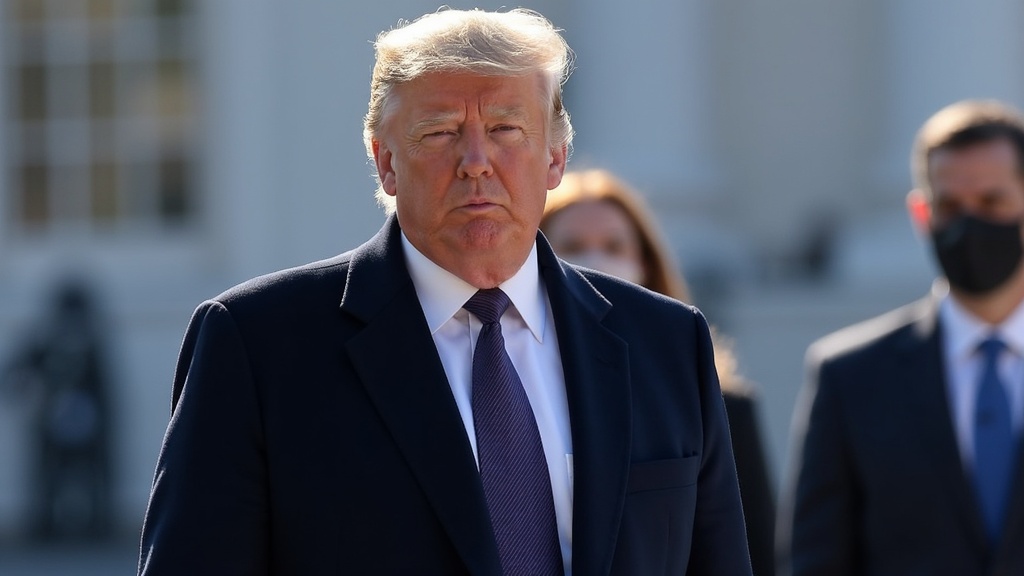
The World Economic Forum (WEF) in Davos, Switzerland, has long been a platform for global leaders to convene and discuss pressing economic issues. This year, the 2026 forum is set to be particularly significant, with the return of former US President Donald Trump to the global stage. Trump’s attendance at the WEF has sparked intense scrutiny, with many questioning his leadership image and the implications of his presence on global diplomacy.
A Leadership Image Under Fire
Trump’s decision to attend the WEF comes at a time when his leadership image is under intense fire. Critics have accused him of divisive rhetoric and policies, which have contributed to a decline in global trust in the US. The former president’s presence in Davos is likely to be seen as an attempt to reclaim his position as a major player on the global stage. However, it remains to be seen how other world leaders will respond to his return. As the global community grapples with complex issues, Trump’s leadership style and image will be under close examination.
Global Diplomacy and the WEF
The WEF has traditionally been a platform for constructive dialogue and cooperation between global leaders. This year’s forum will focus on issues such as climate change, economic inequality, and geopolitical tensions. Trump’s attendance is likely to dominate the headlines, but it is essential to remember that the WEF is about more than just one individual. The forum provides an opportunity for world leaders to engage in meaningful discussions and forge partnerships that can drive positive change. As the global economy continues to evolve, the WEF will play a critical role in shaping the agenda for international cooperation and diplomacy. For instance, the recent price war in the pharmaceutical industry highlights the need for global cooperation in addressing pressing health issues.
The Role of the WEF in Shaping Global Policy
The WEF has a long history of influencing global policy and driving change. The forum provides a unique opportunity for leaders from different sectors to come together and discuss pressing issues. This year’s WEF will feature a range of sessions and workshops focused on topics such as sustainable development, economic growth, and social justice. As the global community navigates the complexities of the 21st century, the WEF will play a critical role in shaping the agenda for international cooperation and diplomacy. According to the United Nations, global cooperation is essential for addressing pressing issues such as climate change and economic inequality.
Conclusion
Trump’s return to the WEF in 2026 is set to be a significant moment in global diplomacy. As the former president takes to the stage in Davos, his leadership image and style will be under intense scrutiny. The WEF provides a unique opportunity for world leaders to engage in constructive dialogue and forge partnerships that can drive positive change. As the global economy continues to evolve, it is essential to remember that the WEF is about more than just one individual – it is about shaping the agenda for international cooperation and diplomacy. For more information on the WEF and its impact on global policy, visit the official website. Additionally, the global controversy surrounding AI-generated images highlights the need for international cooperation in addressing the challenges of the digital age.