Why Misinformation Spreads Faster Than Facts
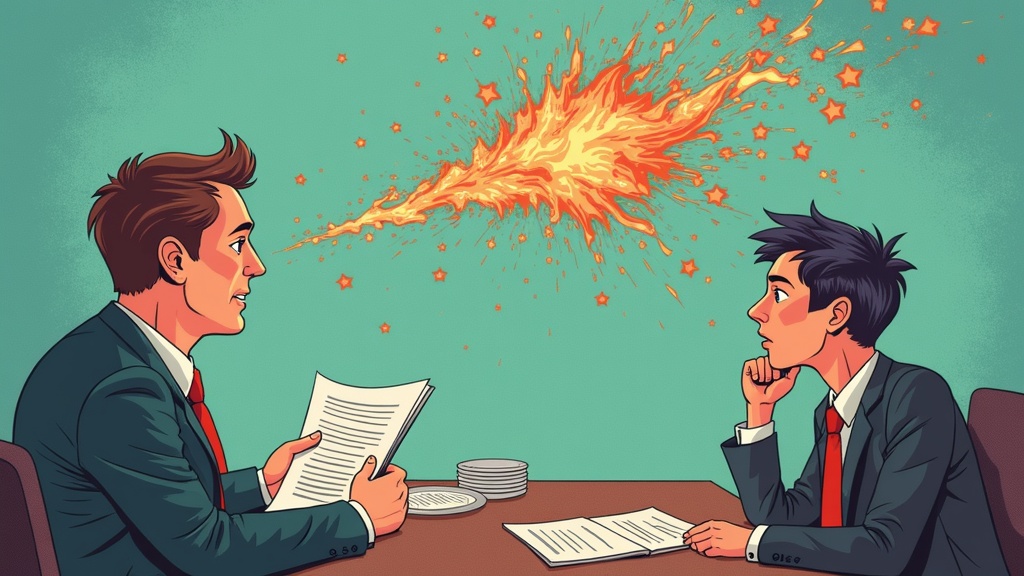
In today’s digital age, the spread of information has become instantaneous, with news and updates reaching millions of people in a matter of seconds. However, this rapid dissemination of information has also led to the proliferation of misinformation, which can have severe consequences on individuals, communities, and society as a whole. The phenomenon of misinformation spreading faster than facts is a complex issue, rooted in the concept of information disorder.
The Concept of Information Disorder
Information disorder refers to the situation where false or misleading information spreads rapidly, often outpacing the truth. This can occur through various channels, including social media, online news outlets, and word of mouth. The term “information disorder” was coined to describe the chaos and confusion that arises when false information is presented as fact, leading to a breakdown in the dissemination of accurate information.
The Role of Social Media
Social media platforms have been identified as a key factor in the spread of misinformation. These platforms use algorithms that prioritize content that is likely to engage users, often regardless of its accuracy. As a result, false or misleading information can spread quickly, reaching a large audience before it is corrected or debunked. For instance, a study by the Pew Research Center found that social media platforms are often used to spread misinformation, with many users relying on these platforms as their primary source of news.
The Psychology of Misinformation
Research has shown that people are more likely to share information that confirms their existing beliefs, rather than seeking out accurate information. This phenomenon is known as confirmation bias. Additionally, people are also more likely to share information that evokes strong emotions, such as fear or outrage, which can lead to the rapid spread of misinformation. As discussed in the article Political Polarization Intensifies Across Democratic Societies, the polarization of society can also contribute to the spread of misinformation, as people become more entrenched in their beliefs and less likely to consider alternative viewpoints.
The Consequences of Misinformation
The consequences of misinformation can be severe, ranging from the erosion of trust in institutions to the spread of harmful ideologies. In some cases, misinformation can even lead to physical harm, such as the spread of anti-vaccination myths that have led to outbreaks of preventable diseases. As noted in the article Trust in Institutions Hits New Lows Across Democracies, the spread of misinformation can also contribute to a decline in trust in institutions, which can have far-reaching consequences for democracy and social cohesion.
Combating Misinformation
To combat the spread of misinformation, it is essential to promote media literacy and critical thinking. This can be achieved through education and awareness campaigns, as well as the development of fact-checking initiatives. Additionally, social media platforms must take responsibility for the content that is shared on their platforms, and implement measures to reduce the spread of misinformation. As discussed in the article Why Press Freedom Is Becoming a Global Battleground, a free and independent press is also essential for promoting accurate information and holding those in power accountable.
The Role of Journalism
Journalism plays a critical role in combating misinformation, as it provides a platform for fact-based reporting and analysis. However, the proliferation of misinformation has also led to a decline in trust in the media, with many people questioning the accuracy of the information presented. To address this, journalists must prioritize transparency and accountability, and be willing to correct mistakes and acknowledge biases. By doing so, journalists can help to rebuild trust in the media and promote a culture of fact-based reporting.
In conclusion, the spread of misinformation is a complex issue that requires a multifaceted approach to combat. By understanding the factors that contribute to the spread of misinformation, and promoting media literacy and critical thinking, we can work towards a more informed and engaged society. As noted by the United Nations Educational, Scientific and Cultural Organization (UNESCO), education and critical thinking are essential for promoting a culture of fact-based information and reducing the spread of misinformation.