Ukraine Ceasefire Talks Pressure Mount
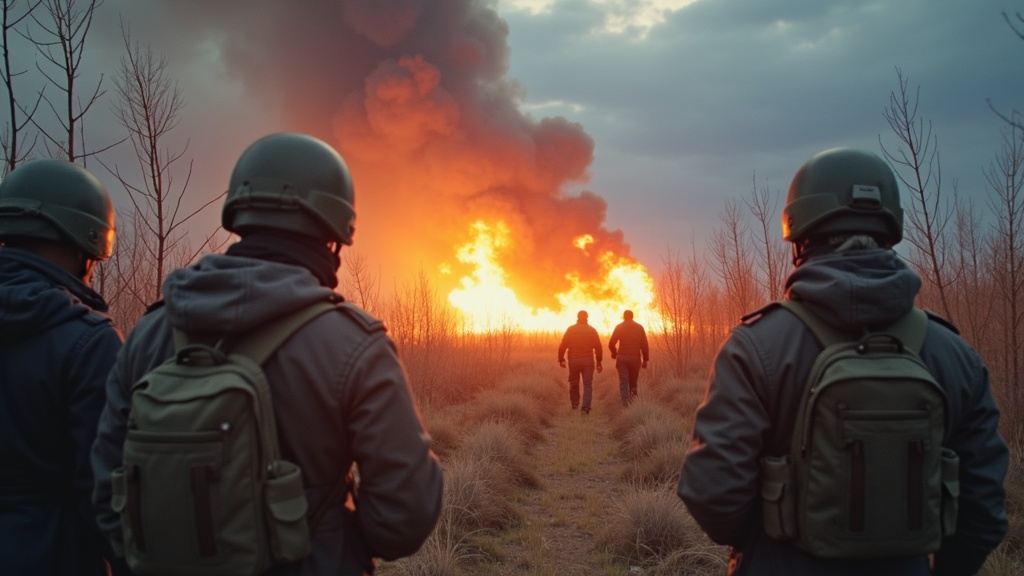
The ongoing conflict between Ukraine and Russia has sparked intense diplomatic efforts to establish a lasting ceasefire. As peace negotiations loom on the horizon, the international community is watching with bated breath, eager for a resolution to the devastating war. The situation is complex, with multiple stakeholders and interests at play, making the path to peace fraught with challenges.
Background to the Conflict
The conflict between Ukraine and Russia began in 2014, with the annexation of Crimea by Russia. Since then, the situation has escalated, with both sides suffering significant losses. The international community has imposed sanctions on Russia, while also providing military and economic aid to Ukraine. Despite these efforts, a lasting ceasefire has proven elusive, with both sides dug in and refusing to back down.
International Pressure for a Ceasefire
The pressure for a ceasefire is mounting, with the international community urging both sides to return to the negotiating table. The United Nations, the European Union, and the United States have all called for an immediate ceasefire, citing the devastating humanitarian consequences of the conflict. The Ukraine power grid under Russian fire has been a major point of concern, with the potential for a widespread humanitarian crisis looming large.
Role of Diplomacy
Diplomacy will play a crucial role in achieving a ceasefire. The international community must work together to create an environment conducive to peace talks. This will require careful negotiation and compromise from all parties involved. The Libya political divide deepens crisis serves as a stark reminder of the challenges that can arise when diplomacy fails.
Economic Consequences
The economic consequences of the conflict have been severe, with both Ukraine and Russia suffering significant losses. The US economy surges in Q3 2025 serves as a contrast to the economic devastation wrought by the conflict. The international community must work to support the economies of both Ukraine and Russia, providing aid and assistance to help them rebuild.
Humanitarian Crisis
The humanitarian crisis caused by the conflict is dire, with millions of people displaced and in need of aid. The global poverty falls to 831 million serves as a reminder that even in the midst of conflict, there is hope for a better future. The international community must work to provide humanitarian aid to those affected by the conflict, ensuring that they have access to food, shelter, and medical care.
Conclusion
The pressure for a ceasefire in Ukraine is mounting, with the international community urging both sides to return to the negotiating table. Diplomacy will play a crucial role in achieving a ceasefire, and the international community must work together to create an environment conducive to peace talks. The economic and humanitarian consequences of the conflict have been severe, and it is imperative that the international community works to support the economies of both Ukraine and Russia, providing aid and assistance to help them rebuild. As the world watches with bated breath, one thing is clear: the path to peace will be long and challenging, but it is a journey that must be undertaken to prevent further suffering and devastation.