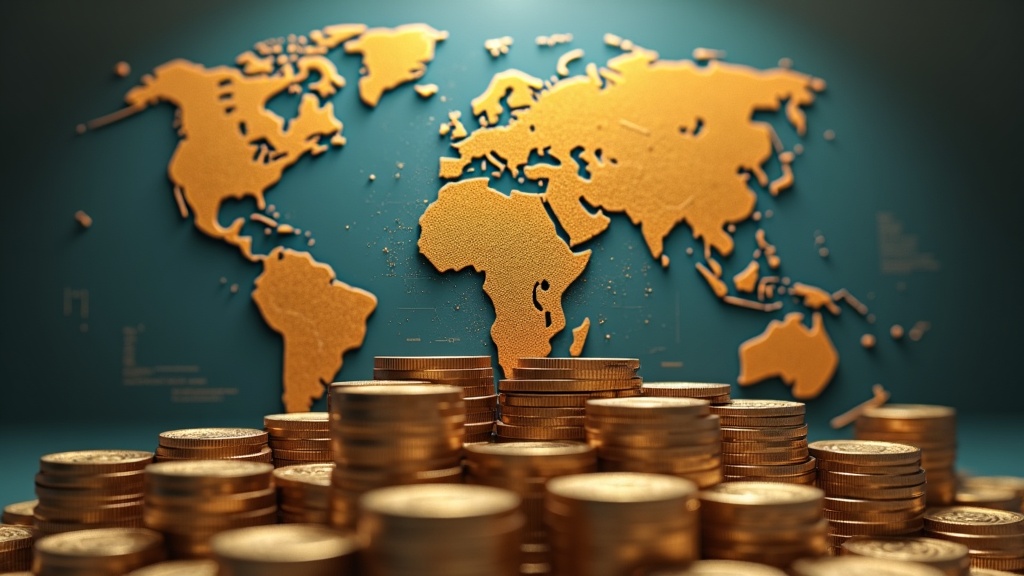
The Future of Money in a Fragmented World
The world of finance is undergoing a significant transformation, driven by technological advancements, shifting global power dynamics, and evolving consumer behaviors. As we navigate this complex landscape, it’s essential to examine the future of money and how it will be impacted by the increasing fragmentation of the global economy.
Introduction to a Changing Financial Landscape
The traditional notion of money, centered around physical currencies and centralized banking systems, is being challenged by the emergence of digital currencies, decentralized finance (DeFi), and other innovative financial technologies. This evolution is not only changing how we think about money but also how we use it, store it, and transfer it. For instance, the rise of cryptocurrencies, as discussed in the context of Artificial Intelligence Explained: How AI Is Reshaping Everyday Work, highlights the intersection of technology and finance.
The Rise of Digital Currencies
Digital currencies, including cryptocurrencies like Bitcoin and Ethereum, are gaining traction as alternative forms of money. These currencies operate independently of central banks and use cryptography for secure financial transactions. The decentralized nature of digital currencies appeals to those seeking greater autonomy over their financial transactions and data. However, their volatility and regulatory challenges pose significant risks. The Ukraine power grid under Russian fire situation illustrates the geopolitical tensions that can impact global financial stability and the potential for digital currencies to serve as a hedge against such uncertainties.
Decentralized Finance (DeFi)
Decentralized finance, or DeFi, refers to a set of financial services and systems that operate on blockchain technology and do not rely on traditional financial intermediaries like banks. DeFi platforms offer a range of services, including lending, borrowing, and trading, in a decentralized and trustless manner. This shift towards DeFi reflects a broader trend towards financial democratization and the reduction of barriers to financial inclusion. The concept of data sovereignty becomes increasingly relevant as financial transactions and personal data become more decentralized.
The Impact of Geopolitics on Financial Systems
Geopolitical tensions and the fragmentation of the global economy are also influencing the future of money. As nations reevaluate their economic relationships and dependencies, there is a growing interest in alternative payment systems and currencies that can reduce reliance on the US dollar and other dominant currencies. This trend is part of a larger shift towards a multipolar world, where economic power is more distributed. The implications of such a shift are discussed in What a Multipolar World Really Means for Europe, highlighting the potential for regional currencies and payment systems to gain prominence.
Financial Inclusion and Access
One of the most significant benefits of the evolving financial landscape is the potential for increased financial inclusion. Digital payment systems, mobile banking, and microfinancing platforms are expanding access to financial services for underserved populations around the world. This not only improves the economic well-being of individuals but also contributes to broader economic growth and stability. The importance of financial inclusion is underscored by the global poverty falls to 831 million report, which indicates progress in reducing poverty but also highlights the ongoing need for innovative financial solutions.
Conclusion: Navigating the Future of Money
The future of money in a fragmented world is characterized by diversity, innovation, and complexity. As financial systems evolve, it’s crucial for individuals, businesses, and governments to be adaptable and proactive. This includes embracing new technologies, fostering regulatory environments that support innovation while protecting consumers, and ensuring that the benefits of financial evolution are accessible to all. The path forward will require a balanced approach, considering both the opportunities and challenges presented by the changing nature of money and finance. For more insights into the global economic shifts and their implications, visit our homepage for the latest news and analysis.