Can an Electric Car Replace Your Gas Car for Everyday Use?
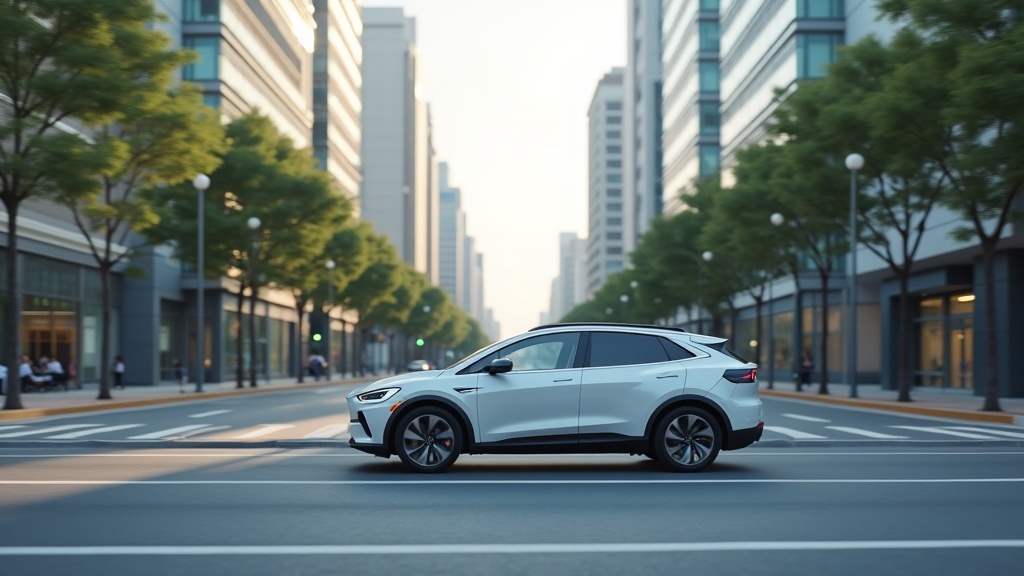
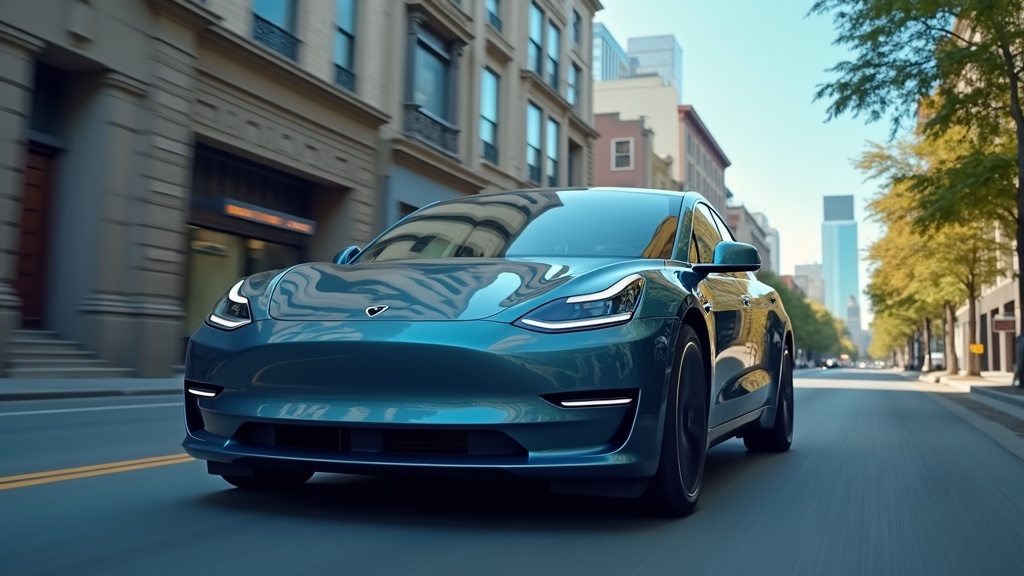
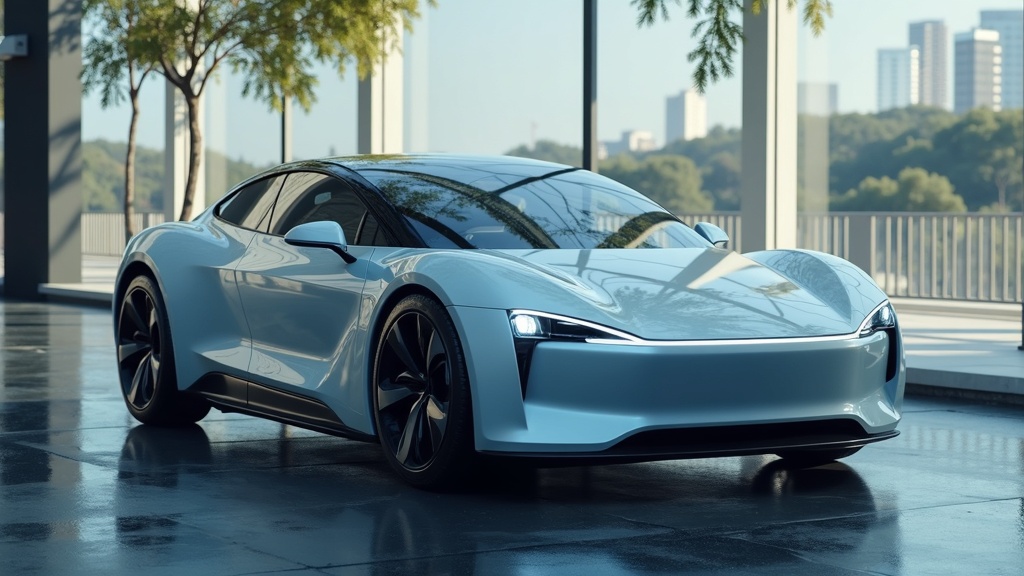
As the world shifts towards a more sustainable future, electric vehicles (EVs) have become an increasingly popular alternative to traditional gas-powered cars. However, many potential buyers still have doubts about whether an electric car can truly replace their gas car for everyday use. In this article, we will delve into the pros and cons of making the switch to an electric vehicle and explore the key factors to consider when deciding if an EV is right for you.
Range Anxiety and Charging Infrastructure
One of the primary concerns for those considering an electric car is range anxiety – the fear of running out of charge while on the road. However, with the rapid expansion of charging infrastructure, this concern is becoming less relevant. Many countries are investing heavily in the development of public charging networks, making it easier for EV owners to charge their vehicles on the go. For example, the [European Union](https://europa.eu/) has set ambitious targets for the deployment of public charging points, aiming to have at least 1 million public charging points available by 2025.
Performance and Maintenance
Electric cars are known for their exceptional performance, with instant torque and smooth acceleration. They also require less maintenance than gas cars, as they have fewer moving parts and do not need oil changes. However, the high upfront cost of EVs can be a significant barrier for many buyers. As the technology continues to improve, we can expect to see more affordable options become available. Some car manufacturers, such as those discussed in the article Ineos Grenadiers Rider Addresses Doping Concerns, are already investing in the development of more affordable EV models.
Environmental Benefits and Cost Savings
The environmental benefits of electric cars are well-documented, with zero tailpipe emissions and a significantly reduced carbon footprint. EVs can also provide significant cost savings, as they are generally cheaper to run and maintain than gas cars. According to a study by the [International Energy Agency](https://www.iea.org/), EVs could account for more than 50% of new car sales by 2030, leading to a significant reduction in greenhouse gas emissions. For more information on the economic signals Europe is sending in early 2026, including the impact of EVs on the economy, check out the article Energy, Cars, and Retail: The Economic Signals Europe Sends in Early 2026.
Conclusion
While there are still some doubts surrounding the ability of electric cars to replace gas cars for everyday use, the pros and cons suggest that EVs are becoming an increasingly viable option. With the expansion of charging infrastructure, improving performance and affordability, and significant environmental benefits and cost savings, it’s clear that electric cars are here to stay. As we move towards a more sustainable future, it’s essential to consider the role that EVs can play in reducing our carbon footprint and promoting a healthier environment. For those interested in learning more about the latest developments in the EV industry, the article F1 2026: What Changes with the New Engine Rules provides valuable insights into the impact of new engine rules on the automotive industry. Additionally, the article Inside the Technology Reshaping F1 Engines for 2026 offers a deeper dive into the technological advancements driving the EV revolution.