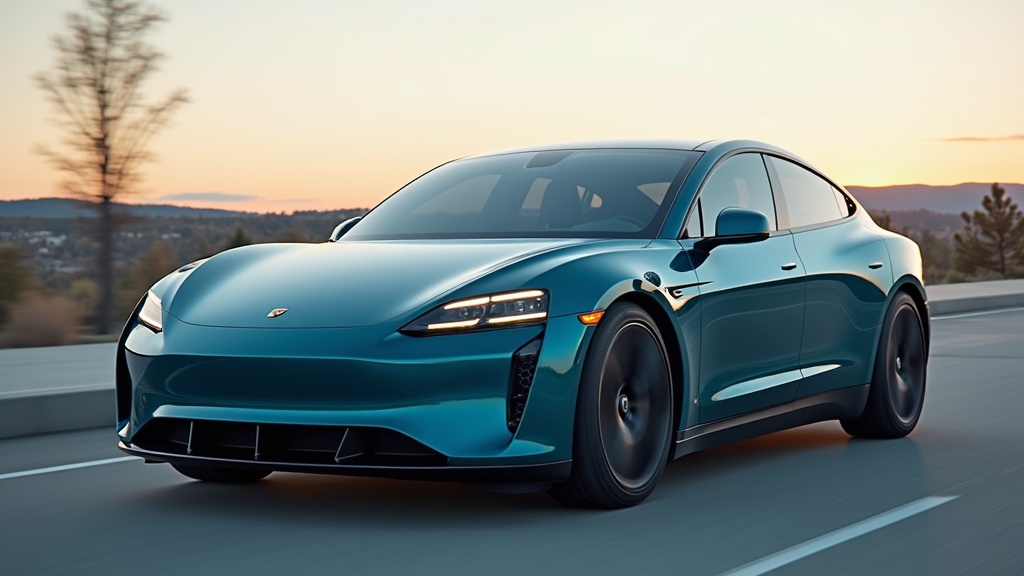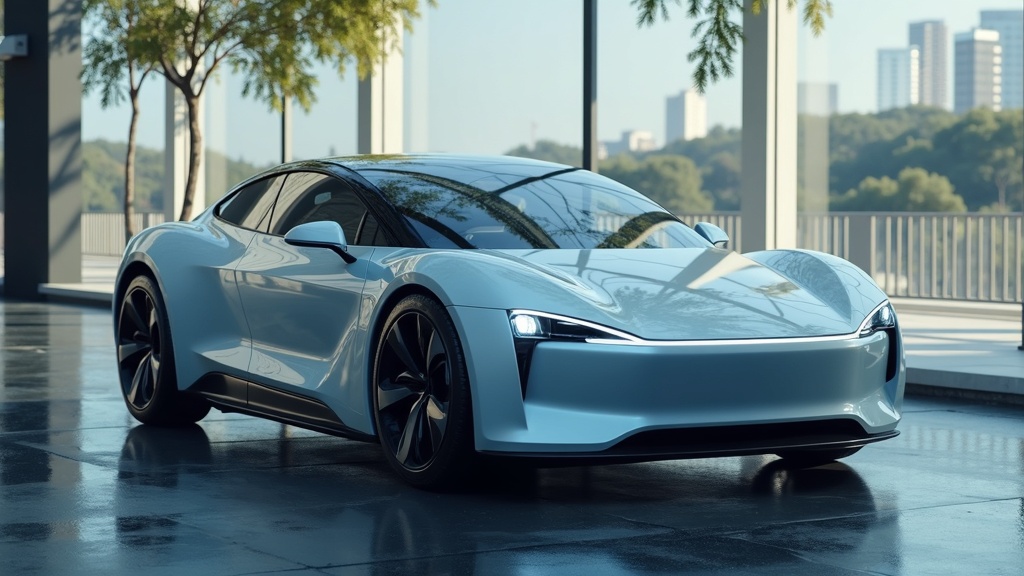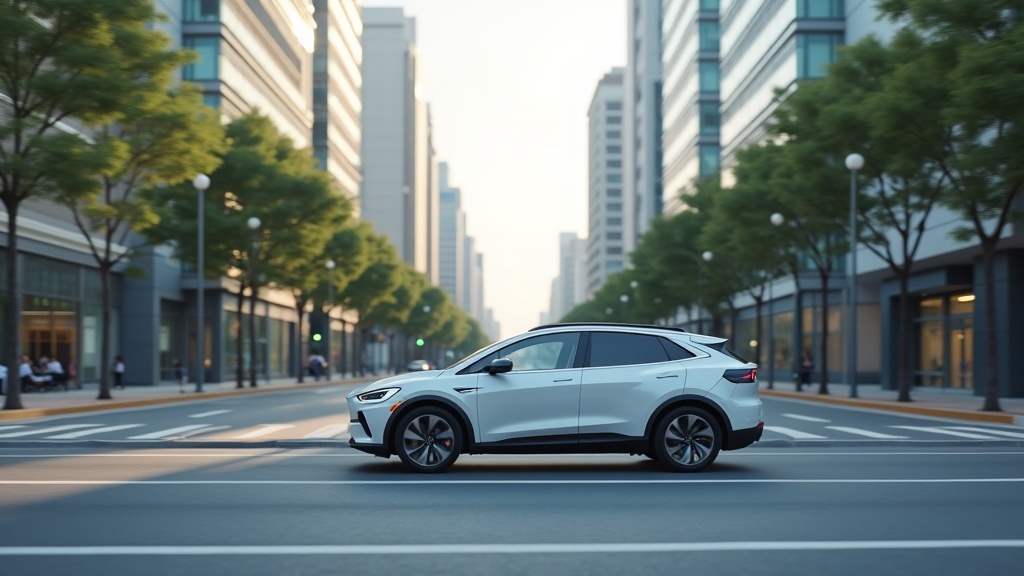
Are Electric Cars Practical for City and Suburban Life in 2026?
As the world continues to grapple with the challenges of climate change, environmental sustainability, and energy efficiency, electric cars have emerged as a viable alternative to traditional gasoline-powered vehicles. But are they practical for city and suburban life in 2026? In this article, we’ll delve into the lifestyle implications of owning an electric car and explore whether they’re a suitable choice for urban and suburban dwellers.
Introduction to Electric Cars
Electric cars, also known as electric vehicles (EVs), are powered by electric motors and batteries, rather than internal combustion engines. They offer several benefits, including zero tailpipe emissions, lower operating costs, and smoother, quieter rides. With many governments investing heavily in EV infrastructure and incentivizing their adoption, electric cars are becoming increasingly popular. However, their practicality for city and suburban life depends on various factors, including charging infrastructure, range anxiety, and lifestyle habits.
Charging Infrastructure and Range Anxiety
One of the primary concerns for potential EV owners is charging infrastructure. While charging stations are becoming more widespread, they’re still not as ubiquitous as gas stations. According to the [International Energy Agency (IEA)](https://www.iea.org/), there are over 2 million public charging points worldwide, but this number needs to grow significantly to support the increasing demand for EVs. Range anxiety, or the fear of running out of charge while driving, is another concern. Most modern EVs have a range of around 200-300 miles, which is sufficient for city and suburban driving. However, long road trips may require more planning and charging stops.
Lifestyle Considerations
For city and suburban dwellers, electric cars can be a practical choice, especially for those with a relatively short commute. With the average commute distance in the United States being around 16 miles, according to the [United States Census Bureau](https://www.census.gov/), most EVs can easily handle daily commutes without needing to recharge. Additionally, many cities are investing in EV-friendly infrastructure, such as dedicated EV lanes and preferential parking. For example, the city of Oslo in Norway has implemented a comprehensive EV charging network, making it an attractive destination for EV owners. You can read more about the impact of EVs on urban planning in our article about [Recycling Rules 2026: What Will Change for Plastic Bottles](https://swissreporting.com/recycling-rules-2026-what-will-change-for-plastic-bottles/).
Cost Savings and Environmental Benefits
Electric cars offer significant cost savings and environmental benefits. With lower operating costs, including reduced fuel and maintenance expenses, EVs can save owners around $700-$1,000 per year, according to the [United States Department of Energy](https://www.energy.gov/). Additionally, EVs produce zero tailpipe emissions, reducing air pollution and greenhouse gas emissions. As cities and suburbs continue to grow, the adoption of EVs can help mitigate the negative impacts of urbanization on the environment. For instance, the article [Energy, Cars, and Retail: The Economic Signals Europe Sends in Early 2026](https://swissreporting.com/energy-cars-and-retail-the-economic-signals-europe-sends-in-early-2026/) highlights the economic benefits of transitioning to electric vehicles.
Conclusion
In conclusion, electric cars can be a practical choice for city and suburban life in 2026, offering a unique combination of environmental benefits, cost savings, and lifestyle convenience. While charging infrastructure and range anxiety are still concerns, they’re being addressed through investments in EV-friendly infrastructure and advancements in battery technology. As the world continues to urbanize, the adoption of electric cars can play a significant role in reducing our carbon footprint and creating more sustainable cities. For those considering making the switch to an electric car, it’s essential to weigh the pros and cons and consider their lifestyle habits, including their daily commute and driving habits. With the right mindset and infrastructure, electric cars can be a viable and practical choice for city and suburban dwellers. You can also learn more about the latest developments in the automotive industry, such as the [F1 2026: What changes with the new engine rules](https://swissreporting.com/f1-2026-what-changes-with-the-new-engine-rules/), and how they might impact the future of electric vehicles.