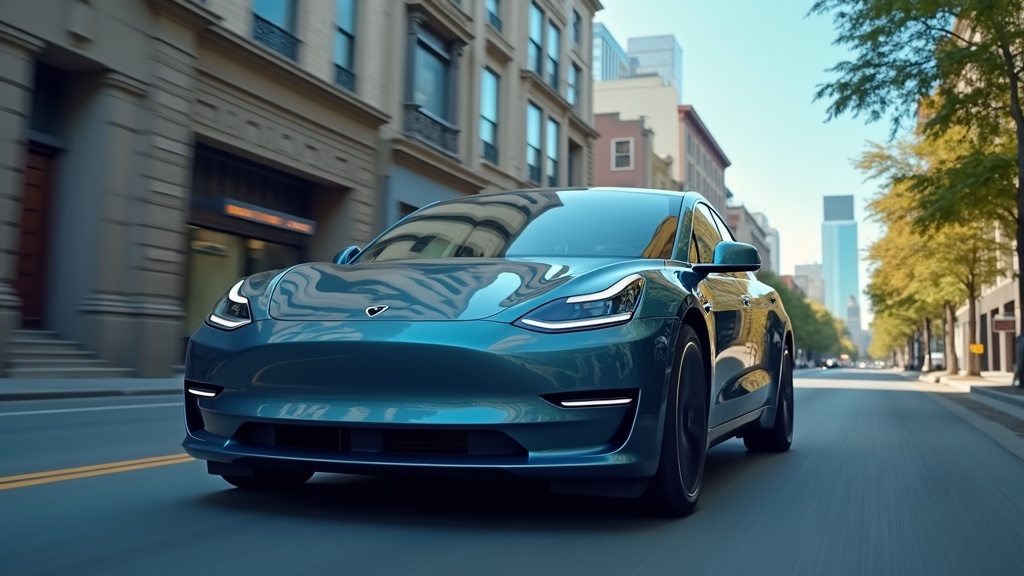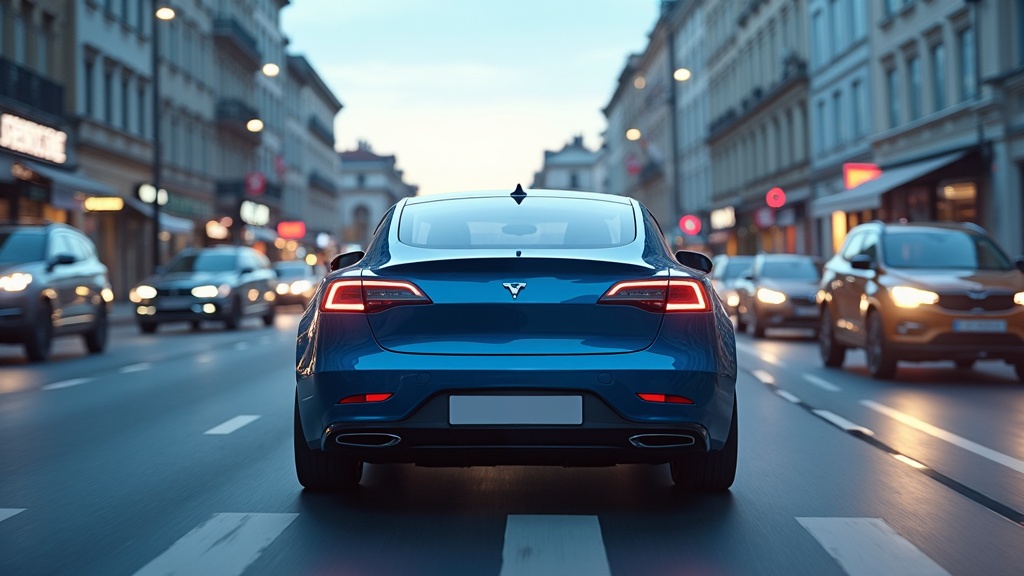
Is 2026 the Turning Point for Electric Cars in Europe and the US?
The year 2026 is being touted as a significant milestone in the adoption of electric vehicles (EVs) in Europe and the US. Several factors are converging to make this year a potential turning point for the industry. Governments, manufacturers, and consumers are all playing a crucial role in driving this shift towards sustainable transportation.
Market Trends and Predictions
Industry experts predict that 2026 will see a substantial increase in EV sales, driven by declining battery costs, improving charging infrastructure, and stringent emissions regulations. In Europe, the EU’s ban on new internal combustion engine cars by 2035 is accelerating the transition to electric. Similarly, in the US, the Biden administration’s goal of making half of all new car sales electric by 2030 is driving investment in EV manufacturing and charging infrastructure. As reported by energy market analysts, the economic signals from Europe in early 2026 indicate a significant shift towards sustainable energy sources, including electric vehicles.
Government Incentives and Regulations
Governments are offering attractive incentives to encourage consumers to switch to EVs. In the US, the Inflation Reduction Act provides tax credits of up to $7,500 for new EV purchases, while in Europe, countries like Norway and the UK offer generous subsidies and exemptions from certain taxes. Additionally, regulations such as the EU’s Euro 7 emissions standard and the US’s Corporate Average Fuel Economy (CAFE) standards are forcing manufacturers to develop more efficient and environmentally friendly vehicles. The recycling rules in 2026 also highlight the growing focus on sustainability, which is expected to have a positive impact on the adoption of electric vehicles.
Technological Advancements
Technological advancements are also playing a crucial role in driving the adoption of EVs. Improvements in battery technology have increased range and reduced charging times, making EVs more practical for long-distance travel. The development of fast-charging corridors along highways and the expansion of public charging networks are further reducing range anxiety. As technological innovations in the automotive sector continue to evolve, we can expect to see even more efficient and sustainable electric vehicles in the future.
Charging Infrastructure
The expansion of charging infrastructure is critical to the widespread adoption of EVs. Governments and private companies are investing heavily in the development of public charging networks, with a focus on fast-charging technology. The US Department of Transportation has announced plans to establish a network of EV charging stations along highways, while in Europe, companies like Ionity and Shell are expanding their charging networks. According to the new engine rules in F1, the focus on sustainable energy sources is not limited to electric vehicles, but is a broader trend that is transforming the automotive industry.
Consumer Acceptance
Consumer acceptance of EVs is also on the rise, driven by growing awareness of the environmental benefits and improving vehicle performance. Surveys show that an increasing number of consumers are considering EVs for their next car purchase, with factors like range, charging time, and total cost of ownership becoming less of a concern. As winter sales data in 2026 reveals, consumer behavior is shifting towards more sustainable options, including electric vehicles.
Conclusion
In conclusion, 2026 is shaping up to be a pivotal year for the electric vehicle industry in Europe and the US. With governments, manufacturers, and consumers all driving the transition to sustainable transportation, the stage is set for a significant increase in EV adoption. As the industry continues to evolve, we can expect to see even more innovative technologies and business models emerge, further accelerating the shift towards a low-carbon transportation future. The integration of technology and sustainability is not limited to the automotive sector, but is a broader trend that is transforming industries and shaping the future of our planet.