Ukraine Talks in Berlin Face Major Sticking Points
The recent diplomatic efforts to resolve the ongoing conflict in Ukraine have yielded renewed engagement, but core disagreements between the parties involved continue to pose significant challenges. Despite the renewed talks in Berlin, the path to a lasting peace agreement remains uncertain.
Overview of the Conflict
The conflict in Ukraine, which began in 2014, has resulted in thousands of deaths and widespread displacement. The situation escalated further with Russia’s invasion in 2022, leading to heightened tensions between Russia and the Western world. The international community has been actively seeking a diplomatic solution to the crisis, with various rounds of negotiations taking place over the years.
Current State of Negotiations
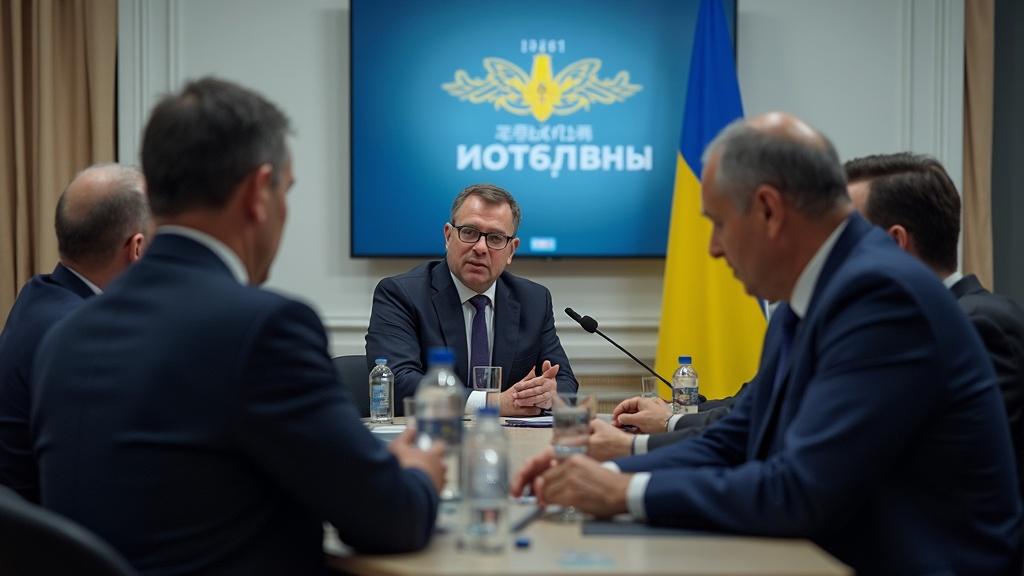
The latest round of talks in Berlin brought together representatives from Ukraine, Russia, and other key stakeholders. While the fact that these talks are happening is seen as a positive development, the discussions are hindered by deep-seated disagreements on several critical issues. One of the main sticking points is the status of the Donbas region, which has been under separatist control since 2014. Ukraine insists on the region’s return to its control, while Russia supports the separatists’ demands for greater autonomy.
Key Areas of Disagreement
Several key areas of disagreement have emerged during the negotiations:
International Community’s Role
The international community, including organizations such as the Organization for Security and Co-operation in Europe (OSCE), has been actively involved in facilitating these negotiations. The OSCE has played a crucial role in monitoring the conflict and facilitating dialogue between the parties. Additionally, countries like Germany and France have been instrumental in bringing the parties to the negotiating table through initiatives like the Normandy Format.
Conclusion and Future Outlook
Despite the challenges, the fact that talks are ongoing is a positive sign. It indicates a willingness among the parties to explore diplomatic solutions. However, resolving the core disagreements will require significant concessions from all sides. The international community must continue to support these efforts, encouraging flexibility and compromise. The situation in Ukraine remains volatile, and a peaceful resolution is critical not only for the region but also for global stability. As the world watches the developments in Berlin, it is clear that a long and difficult road lies ahead. For more insights into global conflicts and diplomatic efforts, readers can visit news outlets that provide in-depth coverage of international affairs.