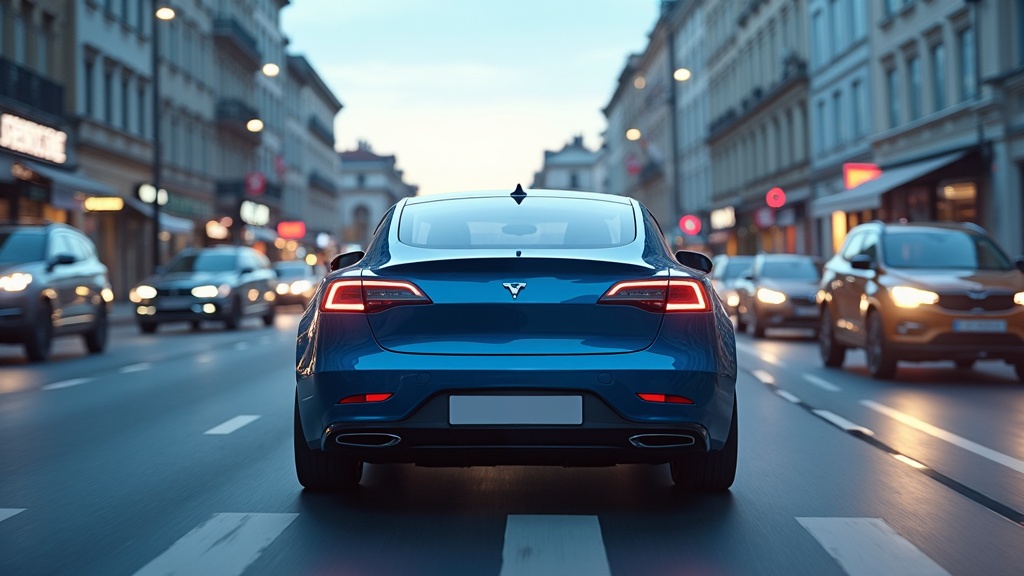
What Will Driving Look Like in Europe and America by 2026?
The future of driving is undergoing a significant transformation, driven by technological advancements, environmental concerns, and shifting consumer preferences. As we approach 2026, it’s essential to explore the potential developments that will shape the driving experience in Europe and America. In this article, we’ll delve into the future vision of driving, highlighting the key trends, innovations, and challenges that will impact the industry.
Electrification and Sustainability
One of the most significant trends in the automotive industry is the shift towards electrification. Governments in Europe and America are implementing stricter emission regulations, prompting manufacturers to invest heavily in electric vehicle (EV) technology. By 2026, we can expect to see a substantial increase in EV adoption, with many countries aiming to phase out internal combustion engines altogether. For instance, the [European Union’s emission standards](https://www.iea.org/topics/transport/) will become even more stringent, driving the demand for eco-friendly vehicles.
Autonomous Vehicles and Advanced Safety Features
Autonomous vehicles (AVs) are being tested and refined, with several companies, such as Waymo and Tesla, already deploying semi-autonomous vehicles on public roads. By 2026, we can expect to see significant advancements in AV technology, with more vehicles featuring advanced safety features like lane-keeping assist, adaptive cruise control, and automatic emergency braking. As reported by Ineos Grenadiers Rider Addresses Doping Concerns, the integration of autonomous technology will not only enhance safety but also revolutionize the way we travel.
Connected and Shared Mobility
The rise of connected and shared mobility services will continue to transform the driving experience. By 2026, we can expect to see more integrated transportation systems, allowing users to seamlessly switch between different modes of transportation, such as cars, buses, and trains. This shift will be driven by the increasing popularity of mobility-as-a-service (MaaS) platforms, which will enable users to access a range of transportation options through a single app. As discussed in Doping Suspicions Continue to Haunt Pro Cycling, the focus on connectivity and sharing will reduce the need for personal vehicle ownership, making transportation more efficient and sustainable.
Urban Mobility and Smart Cities
The future of driving in urban areas will be shaped by the concept of smart cities. By 2026, we can expect to see more cities investing in intelligent transportation systems, which will optimize traffic flow, reduce congestion, and improve air quality. The integration of Internet of Things (IoT) technology will enable real-time monitoring and management of urban mobility, making cities more livable and sustainable. According to the United Nations, the development of smart cities will play a crucial role in addressing the challenges of urbanization, including transportation, energy, and waste management.
Regulatory Frameworks and Challenges
As the driving experience evolves, regulatory frameworks will need to adapt to address the emerging challenges. By 2026, we can expect to see more stringent regulations governing the development and deployment of autonomous vehicles, as well as stricter emission standards for traditional vehicles. The United States Environmental Protection Agency (EPA) will play a crucial role in shaping the regulatory landscape, ensuring that the transportation sector contributes to a cleaner and healthier environment.
Conclusion
The future of driving in Europe and America by 2026 will be shaped by a combination of technological, environmental, and social factors. As we move towards a more sustainable, connected, and autonomous transportation system, it’s essential to address the challenges and opportunities that arise. By understanding the key trends and innovations driving the industry, we can work towards creating a safer, more efficient, and more enjoyable driving experience for all. For more insights into the future of transportation, visit From Innovation to Crisis: Lessons From the AI Governance Breakdown, which highlights the importance of responsible innovation and governance in the development of emerging technologies.