Chile Election: Far-Right Comeback Sparks International Concern
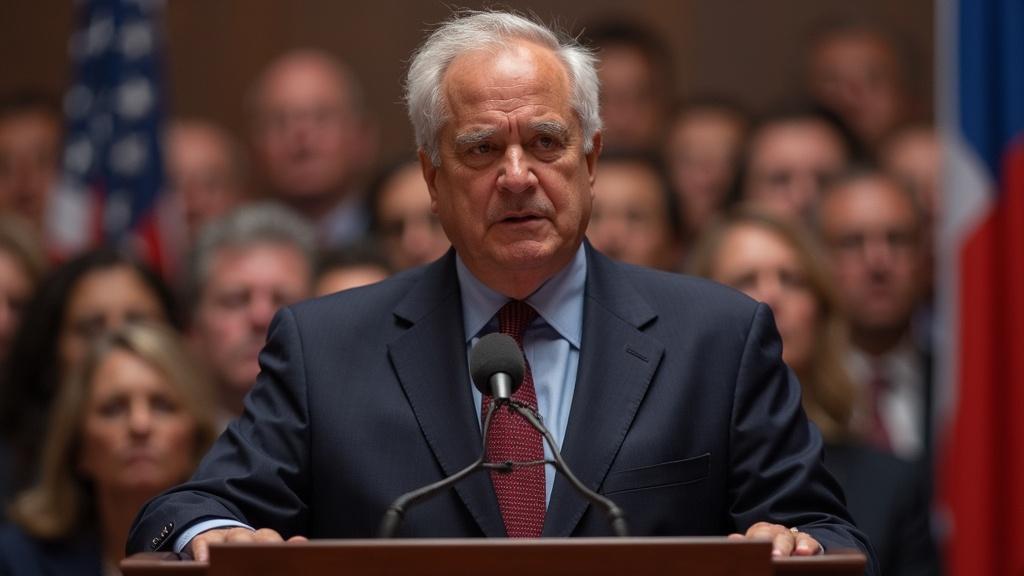
The recent election in Chile has sent shockwaves across the globe, as far-right candidate José Antonio Kast secured a significant victory, leaving many to ponder the implications of this shift. Analysts are drawing parallels between Kast’s win and the broader trend of conservative resurgence worldwide, sparking concerns about the future of global politics.
Rise of the Far-Right in Chile
Kast’s campaign focused on law and order, immigration, and economic growth, resonating with a significant portion of the Chilean population. His victory has been seen as a backlash against the country’s traditional center-left politics, with many attributing it to the growing dissatisfaction with the current state of affairs. The Chilean election outcome is not an isolated incident; rather, it is part of a larger narrative of far-right movements gaining momentum globally.
Global Conservative Resurgence
The trend of conservative resurgence is not unique to Chile. Similar movements have been observed in various parts of the world, including Europe and the Americas. This phenomenon has been linked to factors such as economic uncertainty, immigration, and a perceived decline in traditional values. As noted by the Courrier International, the rise of far-right ideologies poses significant challenges to the existing global order, with many questioning the future of liberal democracy.
International Concerns and Implications
The international community is watching the developments in Chile with great interest, as the implications of Kast’s victory extend beyond the country’s borders. The global economic slowdown and the resulting inflation concerns have created a fertile ground for populist and nationalist movements to thrive. The Chilean election outcome serves as a reminder that the global conservative resurgence is a complex issue, influenced by a multitude of factors, including economic instability and social unrest.
Geopolitical Uncertainty
The rise of far-right movements has significant implications for global governance and international relations. As geopolitical uncertainty deepens, the world is witnessing a shift towards a more fragmented and polarized political landscape. The Chilean election result is a testament to this trend, with many wondering how this will impact the country’s relationships with its regional and global partners.
Conclusion
The Chilean election has sparked international concern, with many analysts linking Kast’s victory to the broader trend of conservative resurgence worldwide. As the world grapples with the implications of this shift, it is essential to consider the complex factors driving these movements. The decline in trust in governments and institutions has created a power vacuum, which populist and nationalist leaders are eager to fill. The international community must remain vigilant, as the consequences of this trend will be far-reaching, shaping the future of global politics and governance.