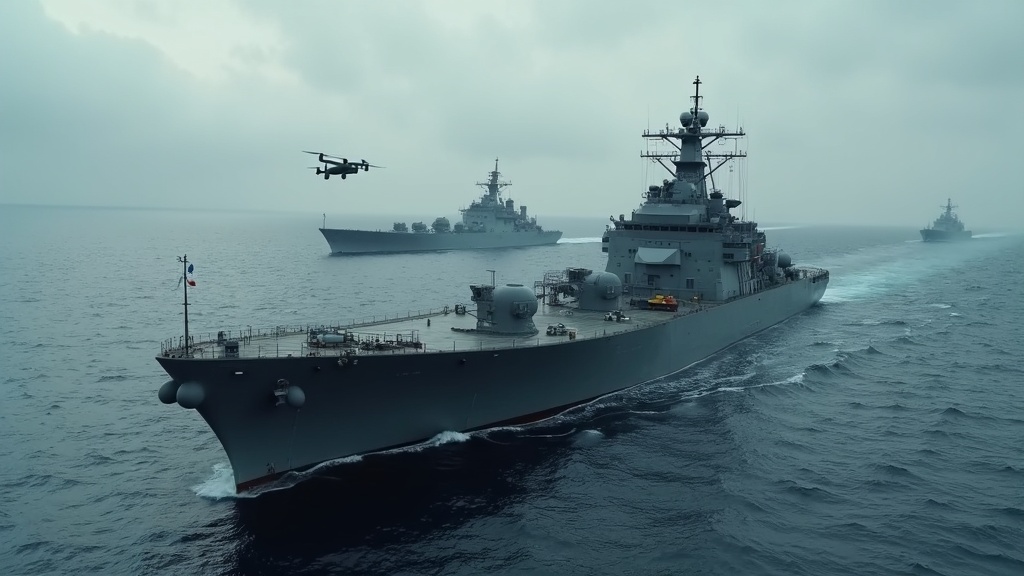
Russian Shadow Fleet Tankers Hit by Drone Attacks Near Turkey
The recent drone attacks on Russian shadow fleet tankers near Turkey have brought the issue of sanctions evasion to the forefront of global attention. These attacks, which have resulted in significant damage to the tankers, are seen as a direct response to Russia’s attempts to circumvent international sanctions imposed due to its actions in Ukraine.
Background on Sanctions Evasion
Russia has been employing a network of shadow fleet tankers to transport oil and other commodities, aiming to evade the sanctions imposed by Western countries. This shadow fleet, comprising tankers often registered under flags of convenience or owned by shell companies, has been crucial for Russia’s efforts to maintain its oil exports despite the sanctions. However, the use of such tactics has not gone unnoticed, and the international community has been working to tighten the noose around these evasion attempts.
Impact of Drone Attacks
The drone attacks on Russian tankers near Turkey mark a significant escalation in the efforts to counter Russia’s sanctions evasion strategies. These attacks not only highlight the vulnerability of Russia’s shadow fleet but also demonstrate the determination of those seeking to enforce the sanctions. The immediate impact of these attacks includes disruption to Russia’s oil supply chain and potential economic losses. Moreover, they serve as a warning to other nations and entities that might be considering facilitating Russia’s sanctions evasion efforts.
Global Response and Implications
The global response to these drone attacks will be closely watched, as it has implications for international relations, maritime security, and the effectiveness of sanctions as a tool of foreign policy. The United States, European Union, and other bodies imposing sanctions on Russia will likely view these attacks as a positive development in their efforts to isolate Russia economically. However, the situation also raises concerns about the potential for escalation and the impact on global energy markets, given Russia’s significant role as an oil and gas supplier.
Turkey’s Role and Regional Stability
Turkey’s proximity to the incidents and its strategic position bridging Europe and the Middle East make its response to these developments critical. Turkey has been walking a fine line in its relations with Russia and the West, seeking to balance its economic interests with its geopolitical alignments. The drone attacks near Turkish waters could complicate this balancing act, potentially forcing Turkey to take a more definitive stance on the issue of sanctions evasion and its support for international efforts to isolate Russia.
Conclusion and Future Outlook
The drone attacks on Russian shadow fleet tankers near Turkey signify a new phase in the global effort to enforce sanctions against Russia. As the situation unfolds, it will be essential to monitor the responses of Russia, Turkey, and the international community. For more insight into how sanctions and geopolitical tensions are reshaping global markets, consider reading about why European agriculture is entering a critical phase and how Europe’s border strategy faces mounting political resistance. Additionally, understanding the broader economic implications of such geopolitical maneuvers is crucial for navigating the complex landscape of international relations and global economics.