Snow shortage threatens Swiss ski season over holidays
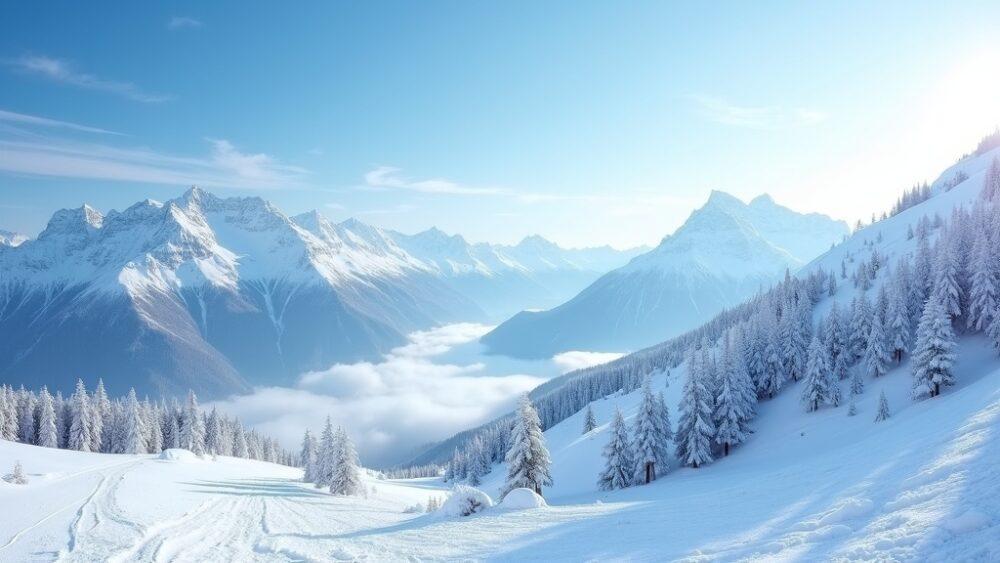
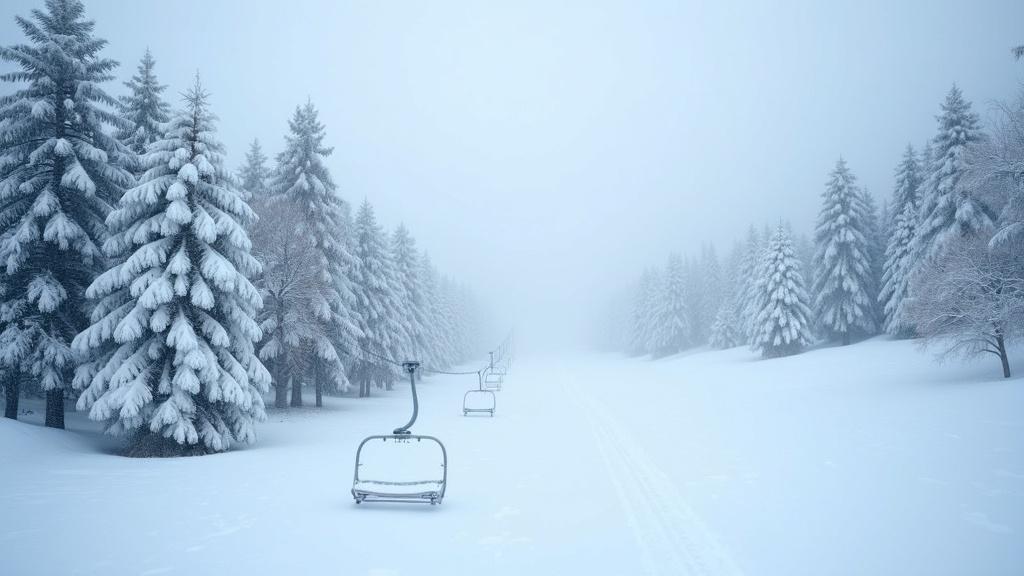
The Swiss ski season is facing a significant challenge due to a severe snow shortage, with many resorts struggling to provide adequate slopes for the upcoming holiday period. This shortage has far-reaching implications for the country’s tourism industry, which relies heavily on winter sports to attract visitors from around the world.
Impact on Tourism
The lack of snow is not only a concern for ski enthusiasts but also for the local economy, as tourism is a significant contributor to Switzerland’s GDP. Many ski resorts are experiencing a decline in bookings, which could lead to a substantial loss of revenue for hotels, restaurants, and other businesses that cater to tourists. According to a report by the Swiss Tourism Federation, the country’s ski resorts attract over 20 million visitors each year, generating billions of Swiss francs in revenue.
Climate Change and Snowfall
Climate change is being cited as a primary factor in the declining snowfall levels in the Swiss Alps. Rising temperatures are altering precipitation patterns, resulting in more rain and less snow in many areas. This trend is expected to continue, with some studies suggesting that the Alps could lose up to 70% of their snow cover by 2100. The Swiss government has acknowledged the issue and is working to develop strategies to mitigate the effects of climate change on the country’s ski industry.
Measures to Address the Shortage
In response to the snow shortage, some ski resorts are investing in artificial snowmaking technology to supplement natural snowfall. However, this is a costly and energy-intensive solution, and its effectiveness is dependent on suitable weather conditions. Other resorts are focusing on diversifying their offerings, such as providing alternative winter activities like snowshoeing and ice skating. For example, the resort town of Zermatt has invested in a [snowmaking system](https://www.blick.ch) to ensure that its slopes remain open, while also promoting other winter activities like [ice skating and snowshoeing](https://swissreporting.com/local-councils-tighten-oversight-of-luxury-builds/).
Economic Consequences
The economic consequences of a poor ski season could be significant, with many businesses relying on the revenue generated during the winter months to sustain them throughout the year. The Swiss government is under pressure to provide support to affected communities, with some calling for measures to help mitigate the impact of climate change on the ski industry. As noted in an article on [public debt pressures central banks’ interest rate choices](https://swissreporting.com/public-debt-pressures-central-banks-interest-rate-choices/), the economic implications of climate change are far-reaching and require a comprehensive response.
Long-term Sustainability
To ensure the long-term sustainability of the Swiss ski industry, it is essential to address the underlying causes of the snow shortage. This requires a coordinated effort from government, industry stakeholders, and local communities to develop and implement effective strategies for mitigating the effects of climate change. By investing in sustainable technologies and promoting eco-friendly practices, Switzerland can maintain its position as a premier ski destination while also reducing its environmental footprint. As the [global geopolitics enter an era of strategic fragmentation](https://swissreporting.com/global-geopolitics-enter-an-era-of-strategic-fragmentation/), it is crucial for countries like Switzerland to prioritize sustainability and environmental protection.
In conclusion, the snow shortage threatening the Swiss ski season over the holidays is a pressing concern that requires immediate attention. By understanding the causes of this shortage and working together to develop effective solutions, Switzerland can ensure the long-term viability of its ski industry and maintain its reputation as a world-class winter sports destination. For more information on the impact of climate change on winter sports, visit the [website of the Swiss Federal Office for the Environment](https://www.bafu.admin.ch).