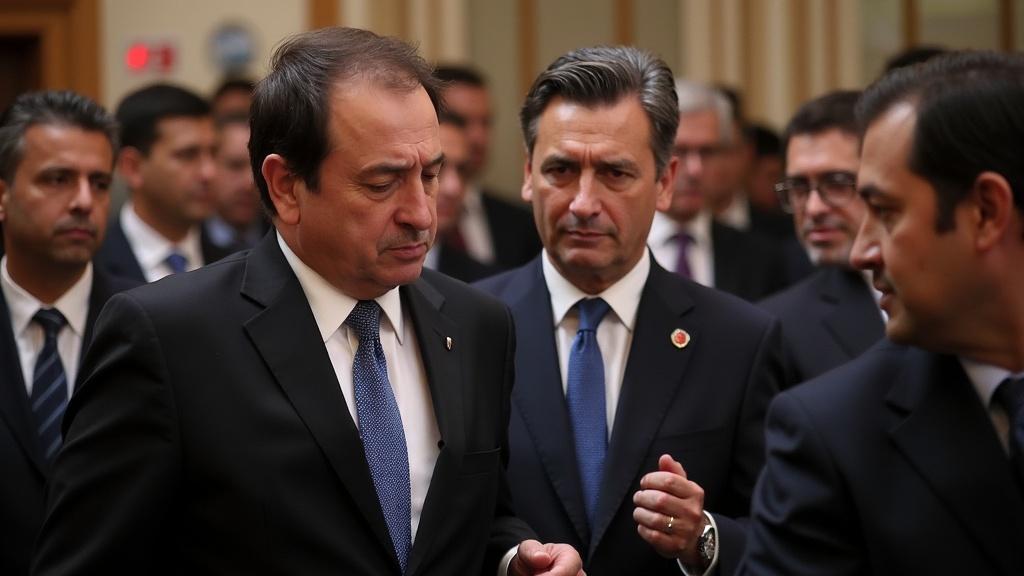
Ukraine War: Europeans Present Peace Proposals in Berlin
The ongoing conflict in Ukraine has sparked a renewed sense of urgency among European leaders to find a diplomatic solution to the war. In a recent development, a European-led diplomatic initiative has presented peace proposals in Berlin, aiming to establish a framework for a possible peace agreement. This effort comes as the international community continues to grapple with the complexities of the conflict and the humanitarian crisis it has spawned.
Background to the Diplomatic Initiative
The Ukraine war, which began in 2014, has seen a significant escalation since Russia’s invasion in February 2022. The conflict has resulted in thousands of deaths, widespread destruction, and a massive displacement of people. Despite international condemnation and economic sanctions imposed on Russia, a peaceful resolution to the conflict remains elusive. The European-led initiative, therefore, represents a concerted effort by European nations to take a proactive role in seeking a diplomatic solution.
Key Elements of the Peace Proposals
The peace proposals presented in Berlin focus on several key elements designed to lay the groundwork for a comprehensive peace agreement. These include:
Role of European Nations
European nations, particularly those within the European Union, have been at the forefront of the diplomatic initiative. Countries like Germany, France, and Poland have played significant roles in facilitating dialogue between Ukraine and Russia, leveraging their diplomatic relationships to push for a peaceful resolution. The involvement of these nations underscores the commitment of the European community to finding a solution that respects Ukraine’s sovereignty while addressing the security concerns of all parties involved.
Challenges Ahead
Despite the optimism surrounding the European-led peace proposals, significant challenges lie ahead. One of the main hurdles is Russia’s stance on the conflict, as Moscow has consistently demanded that its security concerns be addressed as part of any peace agreement. Additionally, the issue of Crimea, which was annexed by Russia in 2014, remains a point of contention. The international community’s ability to navigate these complex issues will be crucial in determining the success of the diplomatic initiative.
International Community’s Response
The international community, including organizations like the United Nations, has welcomed the European-led peace proposals as a step towards finding a peaceful solution to the conflict. The Organization for Security and Co-operation in Europe (OSCE) has also expressed support for efforts aimed at reducing tensions and promoting dialogue between the parties involved.
Conclusion
The European-led diplomatic initiative to present peace proposals in Berlin marks an important development in the pursuit of a peaceful resolution to the Ukraine war. As the situation continues to evolve, the role of European nations and the international community will be critical in navigating the complexities of the conflict and in supporting efforts to achieve a lasting peace. For more insights into the geopolitical implications of the conflict, readers can refer to articles such as Geopolitical Uncertainty Deepens Global Fragmentation and Global Economic Slowdown Fuels Inflation Concerns Worldwide. The Ukraine peace talks held in Berlin reflect the cautious optimism surrounding these efforts.