US Democratic Backsliding Trends: A Global Comparison Analysis
The United States has long been considered a beacon of democracy, but recent trends suggest a concerning pattern of democratic backsliding. This phenomenon is not unique to the US, as many countries around the world are experiencing similar declines in democratic norms and institutions. In this article, we will examine the trends of democratic backsliding in the US and compare them to other countries, highlighting the global implications of this shift.
Defining Democratic Backsliding
Democratic backsliding refers to the gradual erosion of democratic institutions, norms, and practices. This can manifest in various ways, including the restriction of civil liberties, the manipulation of electoral processes, and the concentration of power in the hands of a few individuals or groups. In the US, democratic backsliding has been evident in the [US democracy erosion in 2025](/us-democracy-erosion-2025), with concerns over voter suppression, gerrymandering, and the politicization of the judiciary.
Global Comparison
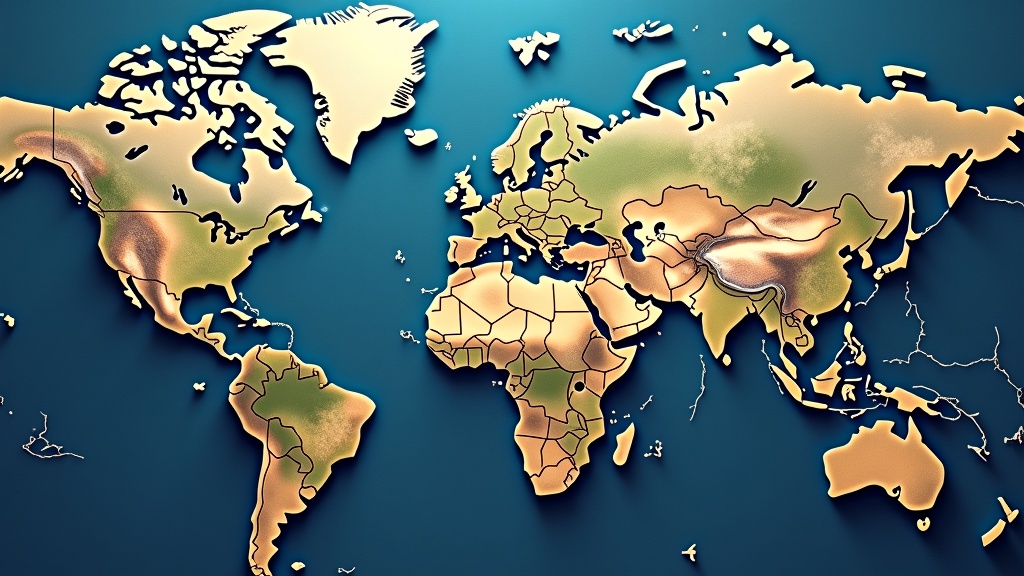
A global comparison of democratic backsliding trends reveals that the US is not alone in this decline. Countries such as Hungary, Poland, and Turkey have also experienced significant erosion of democratic norms and institutions. In Hungary, for example, the government has been accused of [restricting civil liberties and consolidating power](https://www.hrw.org/news/2022/06/15/hungary-eu-should-act-against-orbans-authoritarian-shift), while in Poland, the ruling party has been criticized for its attempts to [manipulate the judiciary and restrict women’s rights](https://www.bbc.com/news/world-europe-64591265). Similarly, in Turkey, the government has been accused of [cracking down on dissent and consolidating power](https://www.amnesty.org/en/countries/europe-and-central-asia/turkey/).
Regional Variations
Regional variations in democratic backsliding trends are also noteworthy. In Latin America, countries such as Brazil and Argentina have experienced significant declines in democratic institutions, while in Asia, countries such as India and the Philippines have seen a rise in authoritarianism. In Europe, the UK’s [Brexit debacle](https://www.theguardian.com/politics/2022/jun/15/brexit-five-years-on-what-has-it-meant-for-britain) has raised concerns about the erosion of democratic norms, while in Africa, countries such as South Africa and Kenya have struggled with [corruption and democratic consolidation](https://www.africaneconomicoutlook.org/en/theme/governance).
Implications and Consequences
The implications of democratic backsliding are far-reaching and have significant consequences for global stability and security. As democratic institutions erode, the risk of conflict, human rights abuses, and economic instability increases. Furthermore, democratic backsliding can have a ripple effect, undermining confidence in democratic systems and institutions globally. As noted by the [International Institute for Democracy and Electoral Assistance](https://www.idea.int/), democratic backsliding can have a devastating impact on the rule of law, human rights, and economic development.
Comparative Lessons
A comparative analysis of democratic backsliding trends offers valuable lessons for the US and other countries. In countries such as Germany and Sweden, [strong institutions and robust civil society](https://www.bertelsmann-stiftung.de/en/our-projects/sustainable-governance-indicators/) have helped to prevent democratic backsliding, while in countries such as South Korea and Taiwan, [vibrant democratic movements](https://www.brookings.edu/articles/how-south-korea-became-a-democracy/) have pushed back against authoritarianism. These examples highlight the importance of [building resilient democratic institutions](https://www.cartercenter.org/news/documents/doc2380.html) and promoting a [culture of democracy](https://www.un.org/en/sections/issues-depth/democracy/index.html).
Conclusion
In conclusion, the trends of democratic backsliding in the US are part of a broader global phenomenon. A comparative analysis of democratic backsliding trends highlights the need for urgent action to prevent further erosion of democratic institutions and norms. By learning from comparative lessons and promoting a culture of democracy, the US and other countries can work to rebuild and strengthen their democratic systems, ensuring a more stable and secure future for all. For more information on the state of democracy in the US, visit US Economy Surges in Q3 2025 and US Consumer Confidence Hits New Lows. Additionally, the US Department of State and the United Nations provide valuable resources on democracy and human rights.