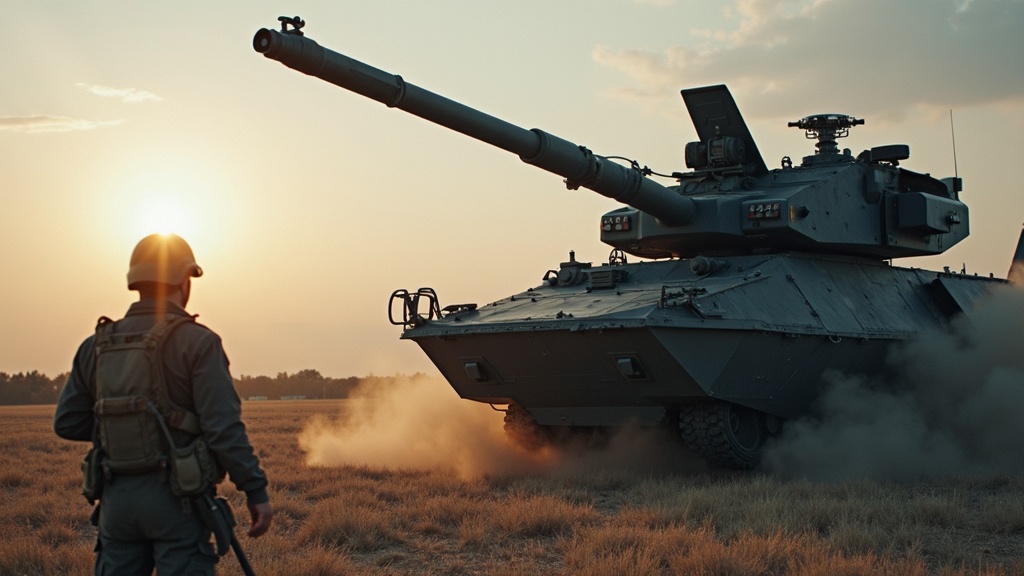
Why Defense Spending Is Rising Worldwide
The world is witnessing a significant surge in defense spending, with countries across the globe increasing their military expenditures. This trend is largely driven by shifting security priorities, as nations seek to protect their interests and maintain stability in an increasingly complex and uncertain geopolitical landscape.
Global Security Challenges
The rise in defense spending can be attributed to a multitude of global security challenges, including terrorism, cyber threats, and the resurgence of great power competition. The ongoing conflict in Ukraine, the tensions between the United States and China, and the growing instability in the Middle East have all contributed to a sense of insecurity among nations. As a result, countries are bolstering their military capabilities to counter these threats and ensure their national security.
Regional Hotspots
Regional hotspots, such as the South China Sea and the Korean Peninsula, are also driving the increase in defense spending. The disputed territories and maritime claims in these regions have led to a buildup of military forces, as countries seek to assert their dominance and protect their interests. For instance, China’s military expansion in the South China Sea has prompted neighboring countries, such as Vietnam and the Philippines, to increase their defense spending and strengthen their military alliances.
Technological Advancements
The rapid advancement of military technology is another factor contributing to the rise in defense spending. The development of new technologies, such as hypersonic missiles, artificial intelligence, and cybersecurity capabilities, has created a new era of military competition. Countries are investing heavily in these technologies to gain a strategic advantage over their adversaries and stay ahead of the curve. As noted in the article Europe Moves to Rein in AI With New Digital Regulations, the integration of AI in military systems is becoming increasingly important, and countries are allocating significant resources to develop and acquire these capabilities.
Space-Based Assets
The increasing importance of space-based assets is also driving the rise in defense spending. As countries become more reliant on satellite technology for communication, navigation, and surveillance, they are investing in capabilities to protect these assets from potential threats. The development of anti-satellite missiles and other counter-space capabilities has created a new dimension of military competition, and countries are allocating significant resources to develop and acquire these capabilities.
Economic Factors
Economic factors, such as the growth of national economies and the increase in government revenues, are also contributing to the rise in defense spending. As countries experience economic growth, they are able to allocate more resources to their military, allowing them to modernize and expand their capabilities. Additionally, the increase in government revenues has enabled countries to increase their defense spending without compromising their other budget priorities.
Budget Allocation
The allocation of defense budgets is also becoming more complex, with countries prioritizing different areas of spending. For instance, some countries are investing heavily in personnel and training, while others are focusing on the development of new technologies and capabilities. As noted in the article Why Automation Is Becoming a Human Issue, Not Just a Technical One, the increasing use of automation and artificial intelligence in military systems is creating new challenges and opportunities for countries to allocate their defense budgets effectively.
Conclusion
The rise in defense spending worldwide is a complex phenomenon, driven by a multitude of factors, including shifting security priorities, technological advancements, and economic factors. As countries seek to protect their interests and maintain stability in an increasingly uncertain world, they are investing heavily in their military capabilities. The trend is likely to continue, with countries prioritizing different areas of spending and allocating significant resources to develop and acquire new technologies and capabilities. As the global security landscape continues to evolve, it is essential for countries to balance their defense spending with other budget priorities, such as education, healthcare, and infrastructure development, to ensure sustainable and long-term economic growth. For more information on the impact of defense spending on the global economy, see Global Markets React to Rising Economic Uncertainty. Additionally, the role of international organizations, such as the North Atlantic Treaty Organization (NATO), will be crucial in shaping the global security landscape and promoting cooperation among nations to address common security challenges.