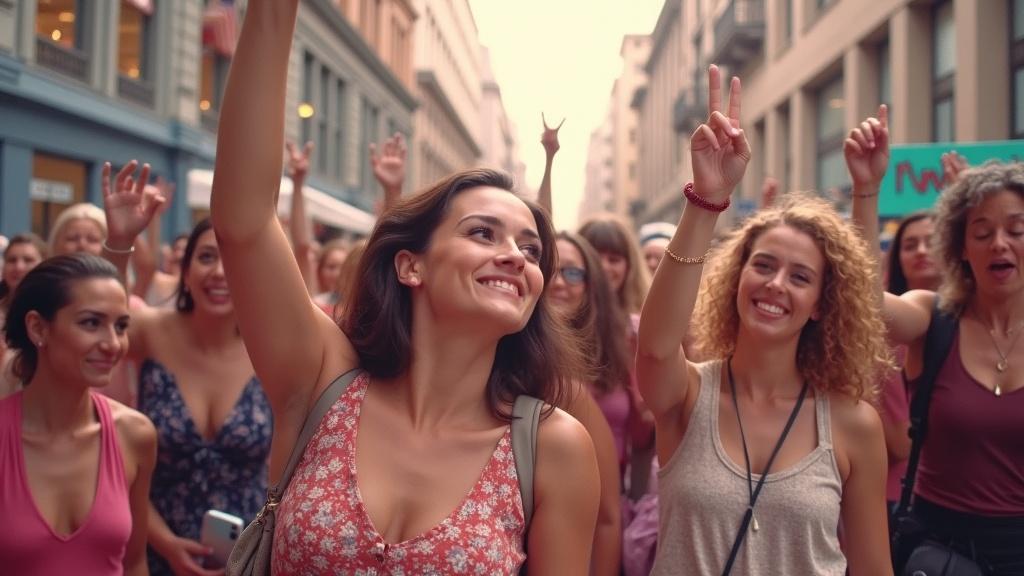
Why Feminism Is Dividing Social Media More Than Ever
Feminism, a movement aimed at promoting equality between the sexes, has been a topic of discussion for decades. However, with the rise of social media, the conversation around feminism has become more divisive than ever. The algorithms that govern social media platforms, the backlash against feminist ideologies, and the culture wars that have ensued have all contributed to the division.
The Role of Algorithms
Social media algorithms are designed to prioritize content that generates the most engagement. This can lead to the amplification of extreme or provocative views, creating an environment where nuanced discussions are often overshadowed by polarizing debates. According to a report by the [BBC](https://www.bbc.com/news), social media platforms have been criticized for their role in perpetuating the spread of misinformation and divisive content. As a result, feminist discussions on social media are often reduced to simplistic or inflammatory soundbites, rather than thoughtful and in-depth analyses.
Backlash Against Feminism
The backlash against feminism is not a new phenomenon, but social media has given it a new platform. Many people, including some women, feel that feminism has gone too far and is now promoting a culture of victimhood and entitlement. This backlash has led to the rise of anti-feminist movements, which often use social media to spread their messages and recruit new members. For example, the [BBC](https://www.bbc.com/news) has reported on the growth of the “Men’s Rights Movement,” which uses social media to promote its ideology and criticize feminist ideologies.
The Impact of Culture Wars
The culture wars that have emerged on social media have also contributed to the division around feminism. The debates around issues like abortion, reproductive rights, and gender identity have become increasingly polarized, with each side accusing the other of being intolerant and extremist. As a result, feminist discussions on social media are often framed in terms of “us versus them,” rather than as an opportunity for constructive dialogue and debate. This has led to a situation where people are more likely to engage with content that reinforces their existing views, rather than challenging them to think differently.
The Consequences of Division
The division around feminism on social media has serious consequences. It can lead to the marginalization of women’s voices and the dismissal of their experiences. It can also create a culture of fear and intimidation, where people are reluctant to speak out or share their opinions. Furthermore, the division can distract from the real issues that feminism is trying to address, such as gender inequality, violence against women, and reproductive rights. As social media continues to shape our experiences of love and relationships, it is essential to consider the impact of these platforms on our perceptions of feminism and gender equality.
Moving Forward
To move forward, it is essential to create a more nuanced and inclusive conversation around feminism on social media. This requires a willingness to listen to different perspectives and to engage in constructive dialogue. It also requires social media platforms to take responsibility for promoting respectful and inclusive discussions, rather than amplifying divisive and inflammatory content. By fostering honest conversations and replacing romantic games with meaningful interactions, we can work towards creating a more equitable and just society for all. Additionally, building confidence and self-esteem can help individuals to navigate the complexities of social media and feminism, and to develop a more positive and empowering relationship with these platforms.
Conclusion
The division around feminism on social media is a complex issue, driven by a combination of factors including algorithms, backlash, and culture wars. To create a more inclusive and nuanced conversation, it is essential to promote respectful and constructive dialogue, and to encourage social media platforms to take responsibility for promoting positive and respectful discussions. By building deep emotional connections in a digital world, we can work towards creating a more compassionate and equitable society, where feminism is seen as a positive and empowering force for change.