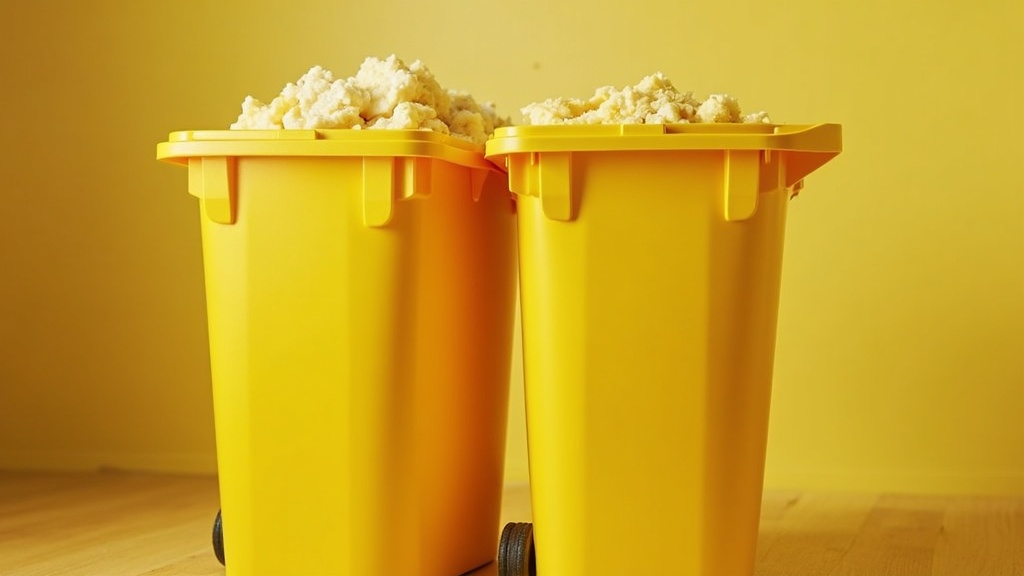
Yellow Bin Confusion: The Yogurt Pot Mistake That Slows Recycling
The world of recycling can be complex, with various bins designated for different types of waste. One of the most common mistakes made by consumers is incorrectly disposing of yogurt pots in the yellow bin, which is intended for recyclable materials such as paper, cardboard, and certain types of plastic. This mistake may seem minor, but it can have significant consequences for the recycling process.
The Impact of Contamination
When non-recyclable items like yogurt pots are placed in the yellow bin, they can contaminate the entire batch of recyclables. This contamination can lead to a significant portion of the materials being sent to landfills instead of being recycled. According to the [Environmental Protection Agency (EPA)](https://www.epa.gov/), contamination is one of the biggest challenges facing the recycling industry today.
Consumer Behaviour and Education
So, why do consumers continue to make this mistake? One reason is a lack of education and awareness about what can and cannot be recycled. Many consumers are unsure about the proper disposal of certain items, leading to incorrect placement in the yellow bin. For example, some consumers may not realize that [coffee machines are becoming increasingly popular](https://swissreporting.com/why-coffee-machines-are-one-of-the-hottest-products-of-winter-sales-2026/), and their packaging and waste disposal requirements are not always clear. To address this issue, educational campaigns and clear labeling on packaging can help to inform consumers about the correct disposal of their waste.
Solutions and Innovations
To combat the problem of contamination, many cities and towns are implementing new technologies and strategies to improve the recycling process. For example, some communities are using [advanced sorting machines](https://swissreporting.com/ces-2026-the-technologies-that-will-shape-the-global-economy/) that can identify and separate recyclables from non-recyclables. Additionally, some companies are developing new packaging materials that are more easily recyclable, such as biodegradable plastics. As consumers become more aware of the importance of proper recycling, they can make more informed choices about the products they purchase and the packaging they generate.
Changing Consumer Behaviour
Changing consumer behaviour requires a multi-faceted approach. Governments, businesses, and individuals must work together to educate consumers about the importance of proper recycling and provide them with the tools and resources they need to make informed choices. This can include initiatives such as [reducing energy consumption](https://swissreporting.com/how-to-save-up-to-e447-a-year-on-electricity-bills-in-2026/) and promoting sustainable practices. By working together, we can reduce contamination, increase recycling rates, and create a more sustainable future for our planet. As noted by the [World Wildlife Fund (WWF)](https://www.worldwildlife.org/), individual actions can collectively make a significant difference in environmental conservation.
Conclusion
The yellow bin confusion surrounding yogurt pots is just one example of the challenges facing the recycling industry. However, by educating consumers, implementing new technologies, and promoting sustainable practices, we can work towards a more efficient and effective recycling system. As consumers, we have the power to make a positive impact on the environment by making informed choices about our waste disposal and supporting companies that prioritize sustainability. By taking small steps, such as properly disposing of yogurt pots and reducing our energy consumption, we can contribute to a larger movement towards a more sustainable future. For more information on sustainable practices and environmental conservation, visit the [National Geographic](https://www.nationalgeographic.org/) website.