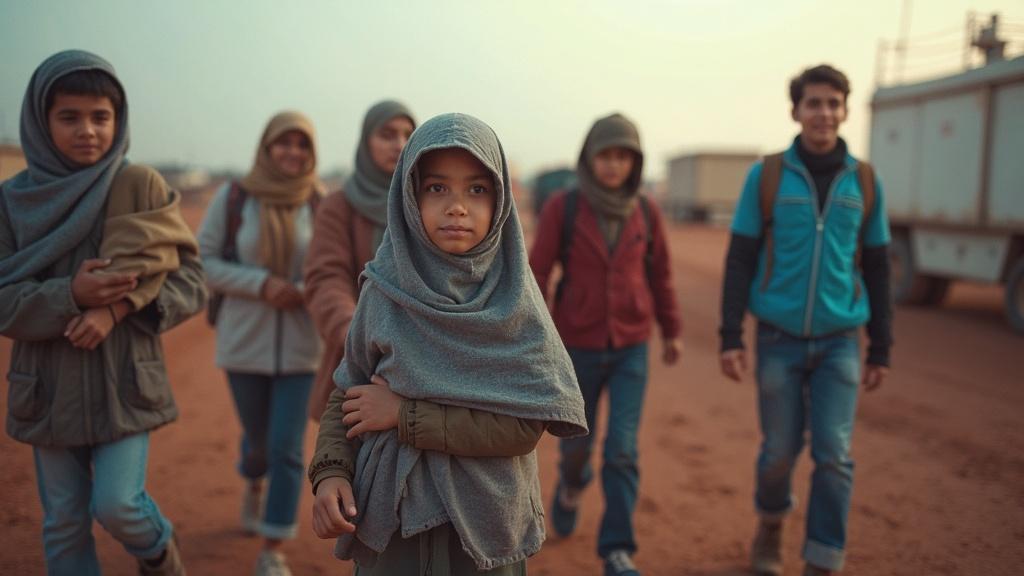
Irregular Migration Remains a Top Global Political Challenge
The world is facing an unprecedented crisis as over 122 million people are forcibly displaced worldwide, putting immense strain on international migration systems. This staggering number, as reported by the UNHCR Global Trends, underscores the complexity and severity of the issue, which has become a top global political challenge.
Background and Current State
The forced displacement of people is not a new phenomenon, but its scale and impact have grown significantly over the years. Factors such as conflict, persecution, climate change, and economic inequality have contributed to this increase. The situation is further complicated by irregular migration, where individuals or groups cross international borders without the necessary legal documentation, often risking their lives in the process.
Humanitarian Crisis
The humanitarian aspects of this crisis cannot be overstated. Displaced individuals often find themselves in precarious situations, lacking access to basic necessities like food, water, shelter, and healthcare. Women and children are particularly vulnerable, facing increased risks of exploitation and abuse. The psychological trauma experienced by those who have been displaced can have long-lasting effects, impacting not only the individuals but also their communities and the societies they eventually integrate into.
Global Response and Challenges
The international community has been working to address the issue of irregular migration and forced displacement through various frameworks and agreements. For instance, the United Nations has been at the forefront, with agencies like the UNHCR playing a crucial role in providing aid and advocating for the rights of refugees. However, the sheer scale of the problem, coupled with political, economic, and social complexities, poses significant challenges to these efforts.
International Cooperation
Effective international cooperation is essential in managing migration flows and providing protection to those who need it. This includes strengthening asylum systems, enhancing border management, and facilitating legal pathways for migration. The UNHCR and other international organizations emphasize the importance of a comprehensive approach that balances the rights and needs of displaced persons with the concerns and capacities of host countries.
Implications and Future Directions
The issue of irregular migration and forced displacement has profound implications for global stability, economic development, and social cohesion. It requires a multifaceted response that addresses the root causes of displacement, supports host communities, and ensures the dignity and protection of displaced individuals. As the world grapples with this challenge, it is clear that no single country or organization can solve it alone. Collective action, guided by principles of solidarity, responsibility sharing, and human rights, is indispensable.
Policy and Advocacy
Policymakers and advocates are urged to adopt a nuanced and informed approach, recognizing both the challenges and opportunities presented by migration. This includes investing in conflict resolution and sustainable development in countries of origin, enhancing migration governance, and promoting social inclusion in host societies. By doing so, the international community can work towards reducing the drivers of forced displacement and creating more resilient and equitable migration systems.
Conclusion
The challenge of irregular migration and forced displacement is a stark reminder of the interconnectedness of the world and the shared responsibilities that come with it. As we move forward, it is imperative that global leaders prioritize cooperation, compassion, and comprehensive strategies to address this complex issue. By supporting the work of organizations like the UNHCR and fostering a culture of understanding and empathy, we can strive towards a future where the rights and dignity of all individuals, regardless of their migration status, are respected and protected. For more information on global trends in forced displacement, visit the UNHCR website.