Live: Iran President Warns Against ‘Destabilising’ Protests
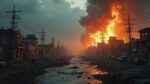
Iran’s President has issued a stern warning against the ongoing protests that have been sweeping the nation, characterizing them as attempts to destabilize the country. The President’s statement comes at a critical juncture, as the protests, sparked by various socio-economic grievances, continue to gain momentum and attract international attention.
Background to the Protests
The current wave of protests in Iran is not an isolated incident but rather part of a broader pattern of discontent among the population. Factors such as economic hardship, perceived governmental mismanagement, and demands for greater freedoms have all contributed to the unrest. The situation is further complicated by the country’s complex geopolitical positioning, with internal dynamics influenced by external factors.
Government Response
The Iranian government has historically taken a firm stance against protests, viewing them as threats to national stability and security. The latest warning from the President reflects this approach, emphasizing the need for order and the dangers of destabilization. However, critics argue that such a response overlooks the underlying causes of the protests and may exacerbate the situation by suppressing avenues for peaceful expression of grievances.
International Reaction
The international community is watching the situation in Iran with keen interest, with many countries and organizations calling for restraint and dialogue. The United Nations has urged all parties to respect human rights and engage in peaceful resolution processes. Meanwhile, countries like the United States have been vocal in their support for the protesters, though such backing is often viewed with skepticism by the Iranian government, which sees it as interference in internal affairs.
Economic Implications
The ongoing protests have significant economic implications, both domestically and internationally. Iran’s economy, already under strain from sanctions and mismanagement, is likely to suffer further due to the instability. This could have a ripple effect on global markets, particularly in the energy sector, given Iran’s position as a major oil producer. As discussed in the article Global Oil Prices Slide as Brent Falls in Early 2026, fluctuations in oil prices can have far-reaching consequences.
Human Rights Concerns
Human rights organizations have expressed deep concern over the government’s handling of the protests, citing reports of excessive force, arbitrary arrests, and restrictions on communication. The situation underscores the challenges faced by Iran in balancing security concerns with the need to respect and protect human rights. For more on how global events impact local societies, see How the Death of a Latin Music Icon Resonates Far Beyond the Industry, which explores the broader social implications of significant events.
Path Forward
As the situation in Iran continues to unfold, the path forward is fraught with challenges. The government must navigate the delicate task of addressing the protesters’ grievances while maintaining order, all under the scrutiny of the international community. The role of external actors, including other countries and international organizations like the European Union, will be crucial in influencing the trajectory of events. For insights into how economic policies can impact societal stability, refer to Bank of France Governor Warns of Economic and Generational Strain, which discusses the interplay between economic strategy and social cohesion.
Conclusion
The warnings issued by Iran’s President against destabilizing protests reflect the complex and sensitive nature of the current situation. As the world watches, it is clear that the path to resolving the crisis will require a nuanced approach, balancing the need for stability with the imperative to address the legitimate concerns of the Iranian people. The international community’s response will play a significant role in shaping the outcome, underscoring the need for careful consideration and coordinated action.