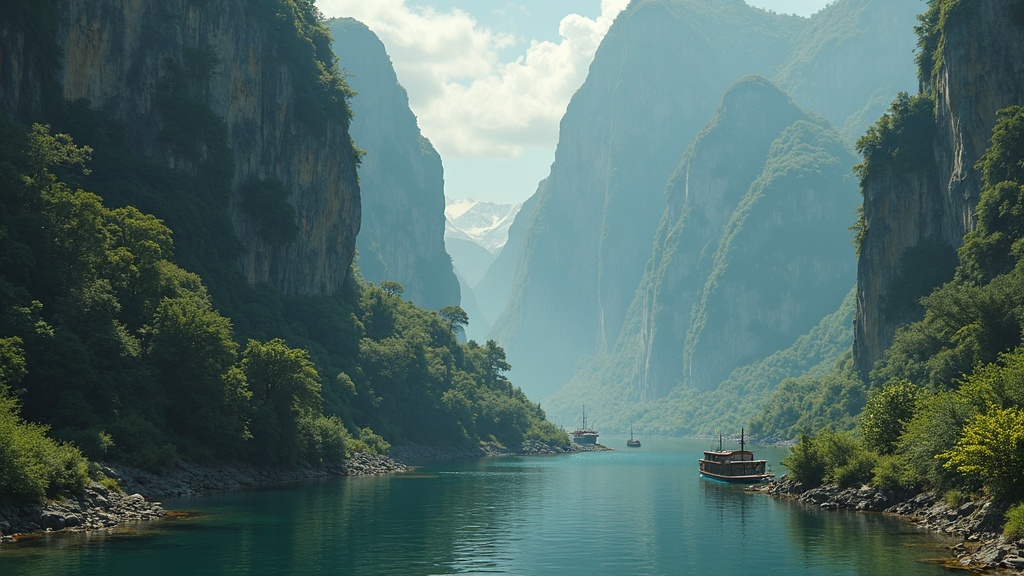
The Places That Fascinate Scientists — And Terrify Travelers in 2026
The world is full of mysteries that have captivated human imagination for centuries. While some places are renowned for their breathtaking beauty, others are feared for their extreme conditions or unexplained phenomena. In 2026, scientists continue to be drawn to these enigmatic locations, driven by the pursuit of knowledge and understanding. However, for travelers, these same places can be daunting, even terrifying. This dual fascination raises intriguing questions about the complex relationship between human curiosity and the natural world.
The Danakil Depression: A Scientist’s Paradise and a Traveler’s Nightmare
Located in Ethiopia, the Danakil Depression is one of the most inhospitable places on Earth. With its scorching temperatures, toxic gases, and lack of infrastructure, it is a formidable challenge for even the most seasoned travelers. Yet, for scientists, this region is a treasure trove of geological wonders, including volcanic lakes, hydrothermal vents, and unique mineral formations. The Danakil Depression is also home to numerous salt deposits, which have been mined for centuries. As scientists seek to unravel the secrets of this extreme environment, they must also contend with the harsh conditions that make it so fascinating. For instance, the [climate crisis](https://swissreporting.com/climate-crisis-explained-why-extreme-weather-is-the-new-normal-3/) has exacerbated the already extreme weather patterns in the Danakil Depression, making it an even more complex and intriguing subject of study.
The Great Blue Hole: An Underwater Enigma
The Great Blue Hole, located in the center of the Lighthouse Reef Atoll in Belize, is a stunning example of a geological phenomenon that has captivated both scientists and travelers. This massive underwater sinkhole, formed during the last ice age, is a popular destination for scuba divers and snorkelers. However, its crystal-clear waters and vibrant marine life belie the dangers that lurk beneath the surface. Scientists are drawn to the Great Blue Hole to study its unique ecosystem and the effects of [climate change](https://swissreporting.com/why-climate-change-is-reshaping-global-politics-3/) on this fragile environment. As they delve deeper into the mysteries of the Great Blue Hole, they must also navigate the risks associated with exploring an underwater cave system.
The Zone of Silence: A Place of Unexplained Phenomena
Located in the Chihuahuan Desert in Mexico, the Zone of Silence is a region shrouded in mystery and intrigue. This area, also known as the “Mapimí Silent Zone,” is characterized by an unusual absence of radio signals and other forms of electromagnetic radiation. While scientists are eager to investigate the causes of this phenomenon, travelers are often warned to avoid the area due to its reputation for strange occurrences and unexplained events. As researchers seek to unravel the secrets of the Zone of Silence, they must also consider the potential implications of their findings on our understanding of the natural world. The [future of money](https://swissreporting.com/the-future-of-money-in-a-fragmented-world-3/) and global commerce may also be influenced by the discovery of new technologies that can harness and manipulate electromagnetic energy.
The Grand Prismatic Spring: A Kaleidoscope of Colors and Chemicals
The Grand Prismatic Spring, located in Yellowstone National Park, is the largest hot spring in the United States. This breathtaking natural wonder is a kaleidoscope of colors, created by the presence of microorganisms and chemicals in the water. While scientists are fascinated by the unique ecosystem of the Grand Prismatic Spring, travelers must exercise caution when visiting the area due to the fragile nature of the environment and the risk of [climate-related disasters](https://swissreporting.com/record-heatwaves-push-europe-into-emergency-mode-3/). As researchers study the complex interactions between the microorganisms, chemicals, and environment, they must also consider the potential consequences of human activity on this delicate ecosystem.
Conclusion
The places that fascinate scientists and terrify travelers are a testament to the complex and often contradictory nature of human curiosity. While these locations may pose significant challenges and risks, they also offer unparalleled opportunities for discovery and exploration. As scientists continue to unravel the secrets of these enigmatic places, they must also navigate the dual fascination that drives both scientific inquiry and human fear. By embracing this duality, we may uncover new insights into the natural world and our place within it, ultimately leading to a deeper understanding of the intricate relationships between human society, the environment, and the pursuit of knowledge. For more information on the impact of climate change on global stability, visit the [climate migration](https://swissreporting.com/climate-migration-and-its-impact-on-global-stability-3/) page, and to learn about the latest developments in the field of artificial intelligence, check out the [AI explained](https://swissreporting.com/artificial-intelligence-explained-how-ai-is-reshaping-everyday-work-4/) article.