Trump Pledges to Guarantee Ukraine’s Security: A Strategic Move Ahead of Negotiations
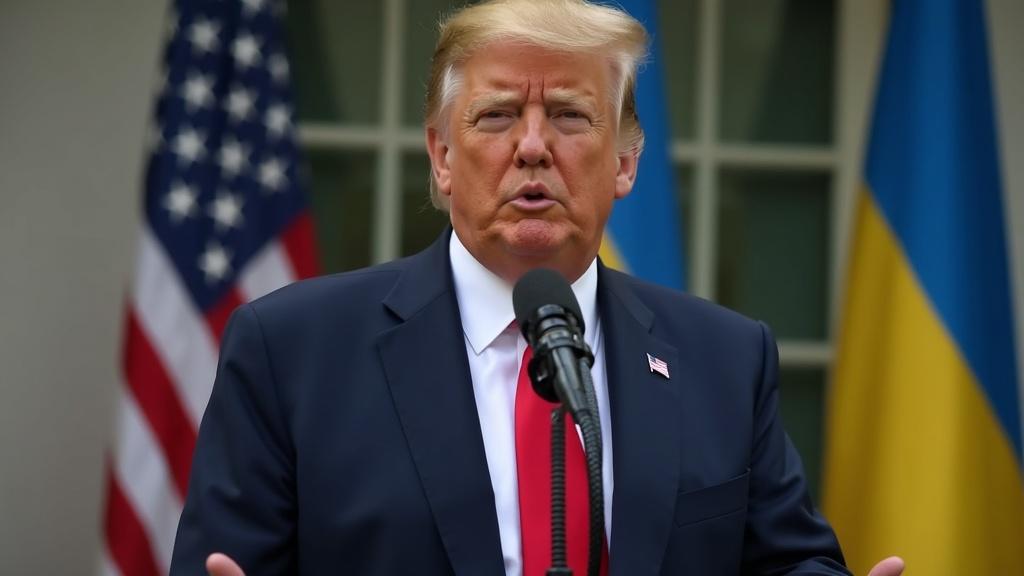
The recent statement by Donald Trump, pledging to guarantee Ukraine’s security, has sent ripples across the international community, sparking a flurry of reactions from world leaders and raising questions about the motivations behind this move. As the global landscape continues to evolve, this development is being closely watched, particularly in the context of upcoming negotiations.
A Shift in Diplomatic Posturing
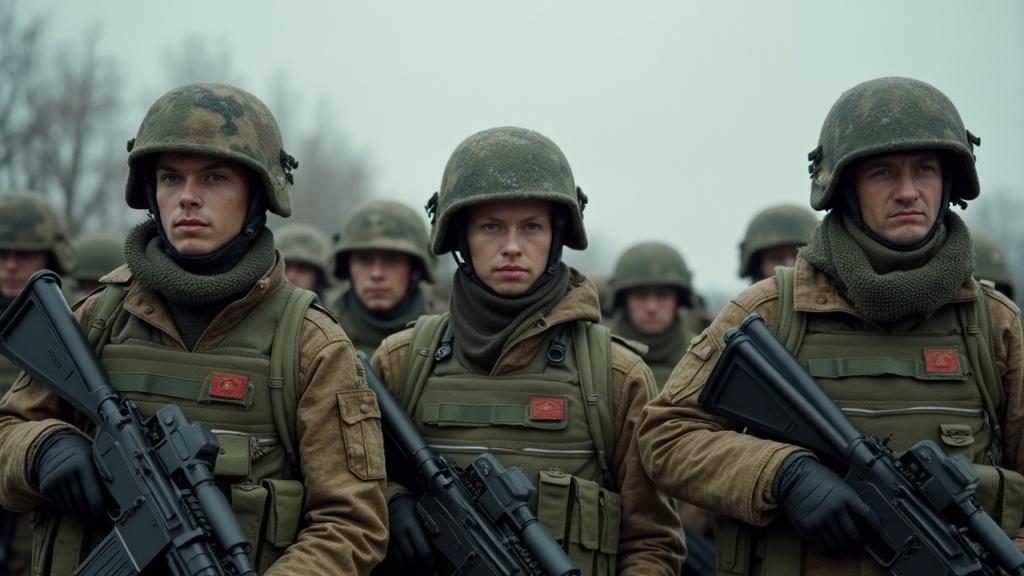
Trump’s announcement marks a significant shift in his diplomatic posturing, especially considering the complex and often contentious relationship between the United States and Ukraine. This pledge of security guarantee is seen by many as a strategic move aimed at bolstering Ukraine’s position ahead of potential negotiations, possibly with Russia or other involved parties. The implications of such a guarantee are far-reaching, touching on issues of sovereignty, territorial integrity, and the balance of power in Eastern Europe.
Reactions from the International Community
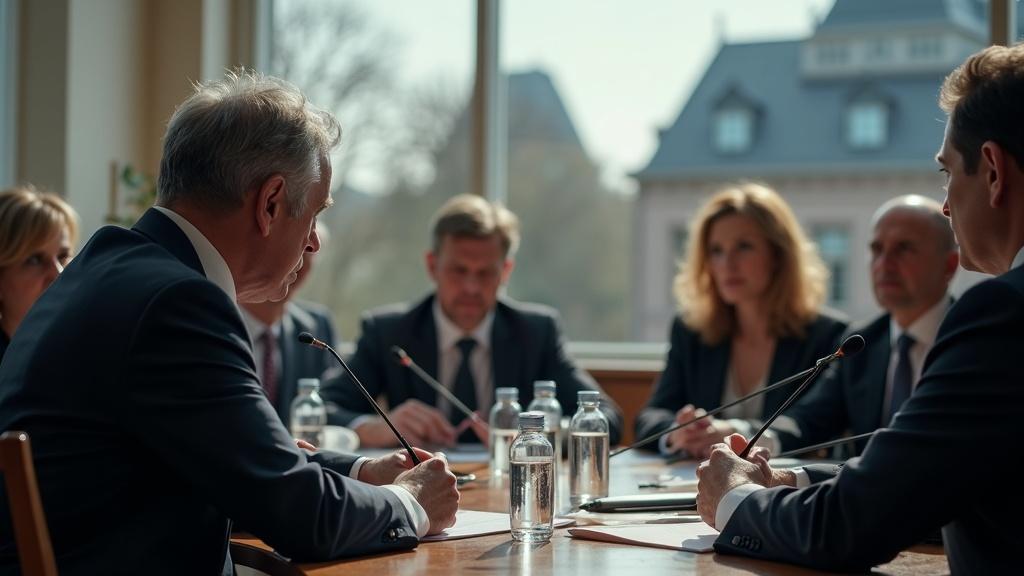
The international community has responded with a mix of skepticism and cautious optimism. European allies, while appreciative of the commitment to Ukraine’s security, are also mindful of the need for a unified and coordinated approach to addressing the conflict. The European Union, through its foreign policy chief, has emphasized the importance of diplomatic efforts to resolve the crisis, potentially paving the way for a more comprehensive peace agreement. For more insight into the European Union’s stance on global conflicts, consider reading about the EU–Mercosur agreement, which highlights the bloc’s approach to international relations and conflict resolution.
Implications for Global Politics
The guarantee also has broader implications for global politics, particularly in the context of rising geopolitical tensions and the evolving nature of international alliances. As nations navigate the complexities of a multipolar world, commitments such as these can significantly influence the balance of power and the dynamics of international relations. The situation in Ukraine serves as a microcosm for larger global trends, including the resurgence of nationalism, the challenge of maintaining international law, and the role of major powers in conflict resolution. To understand the deeper dynamics at play, it’s beneficial to explore how global economic slowdowns and shifts in economic power can impact geopolitical stability.
The Role of Major Powers
Major powers, including the United States, Russia, and China, are closely watching the developments in Ukraine, each with their own interests and strategies. The involvement of these powers not only affects the outcome of the conflict but also has the potential to reshape the global order. As negotiations proceed, the interplay between these nations will be crucial, with each seeking to advance its own agenda while navigating the complexities of international diplomacy. For a deeper understanding of how global events are interconnected, consider the impact of international security threats and the responses of major powers to such challenges.
Conclusion
Donald Trump’s pledge to guarantee Ukraine’s security introduces a new layer of complexity into an already volatile situation. As the world waits to see how this commitment will play out, particularly in the context of upcoming negotiations, one thing is clear: the fate of Ukraine will have far-reaching implications for global politics, international law, and the future of conflict resolution. The situation underscores the need for careful diplomacy, strategic foresight, and a deep understanding of the interconnectedness of global events. For further insight into the dynamics of international relations and global governance, exploring topics such as the evolution of national and international policies can provide valuable context.